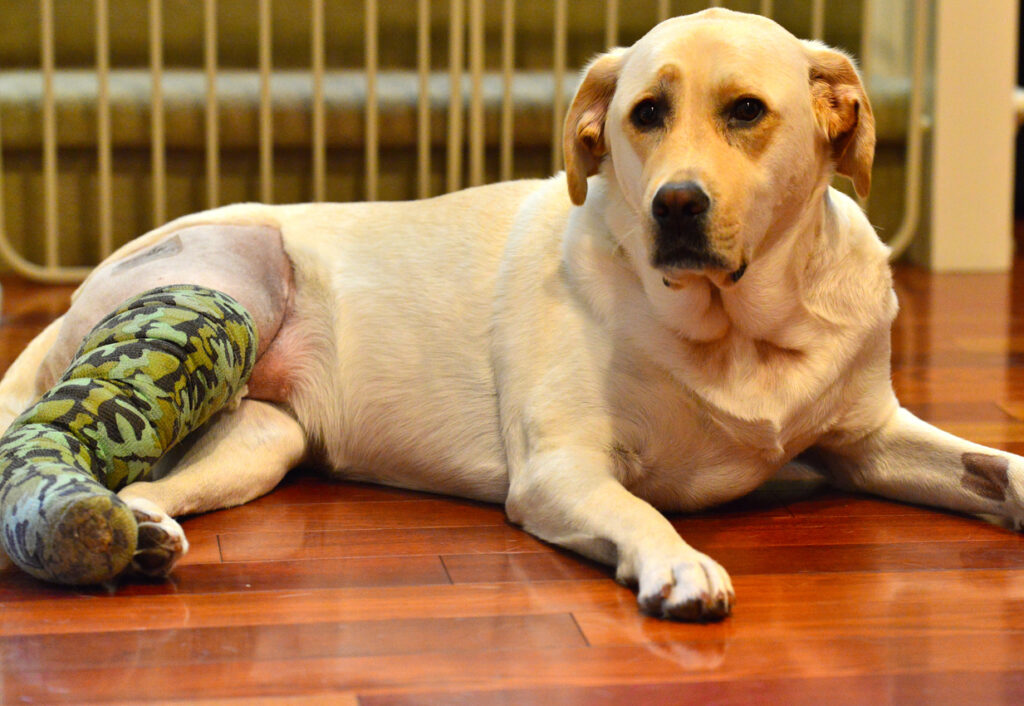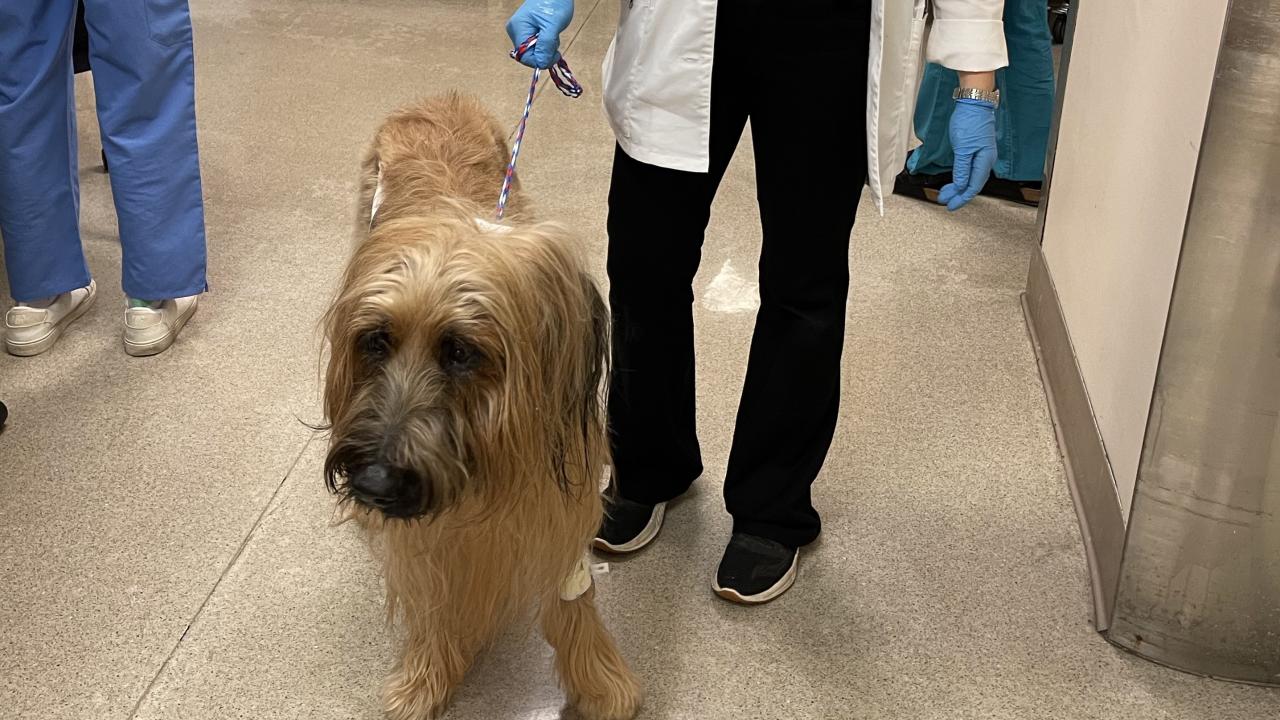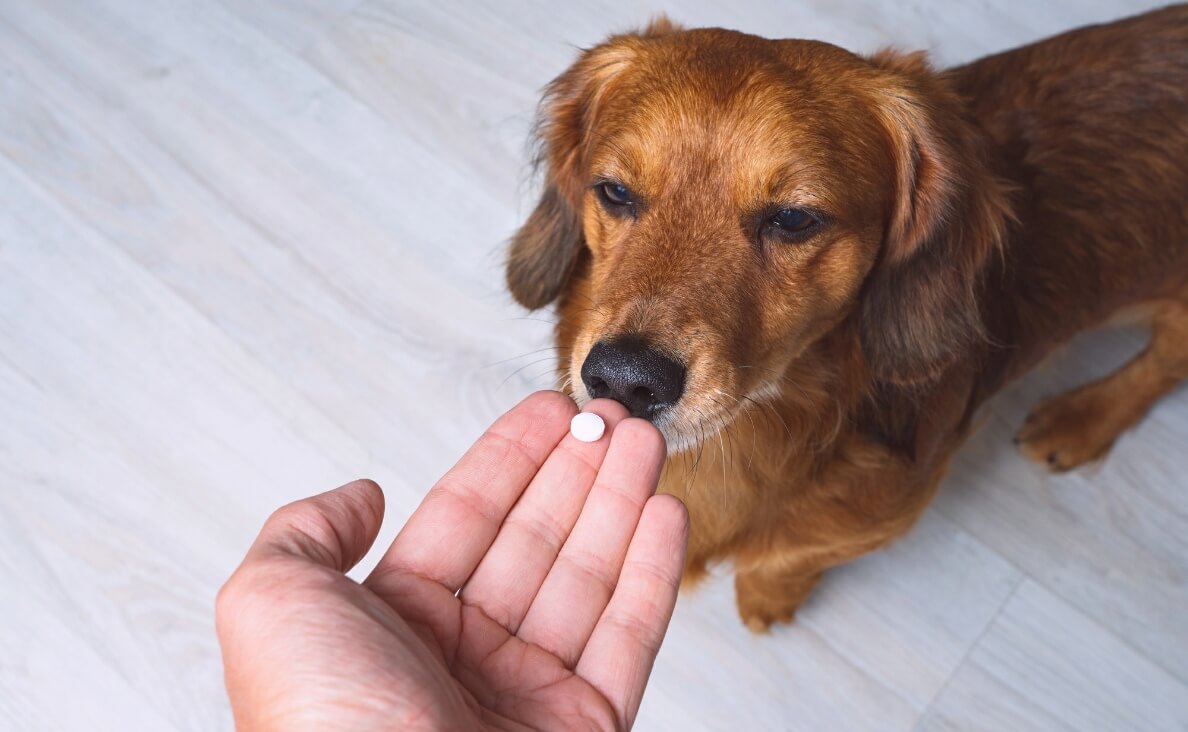
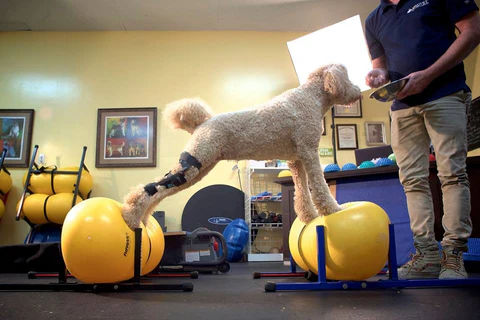
One of the most common knee injuries in dogs, particularly active or large breeds, is a ruptured cranial cruciate ligament (CCL). Such an injury can lead to a dog making painful attempts to walk, mobility reduction, and even a general decline in a dog’s quality of life. Although surgical intervention is usually proposed for extreme cases, it is also possible for many dogs to recover by means of non-surgical support, rehabilitation, and vigilant monitoring. The proper use of tools can make your dog feel easier, stronger, and less likely to have the injury again. Below are five significant recovery tools that can aid your dog from a Torn CCL.
List of 5 Tools for Torn CCL
1. Dog Knee Braces
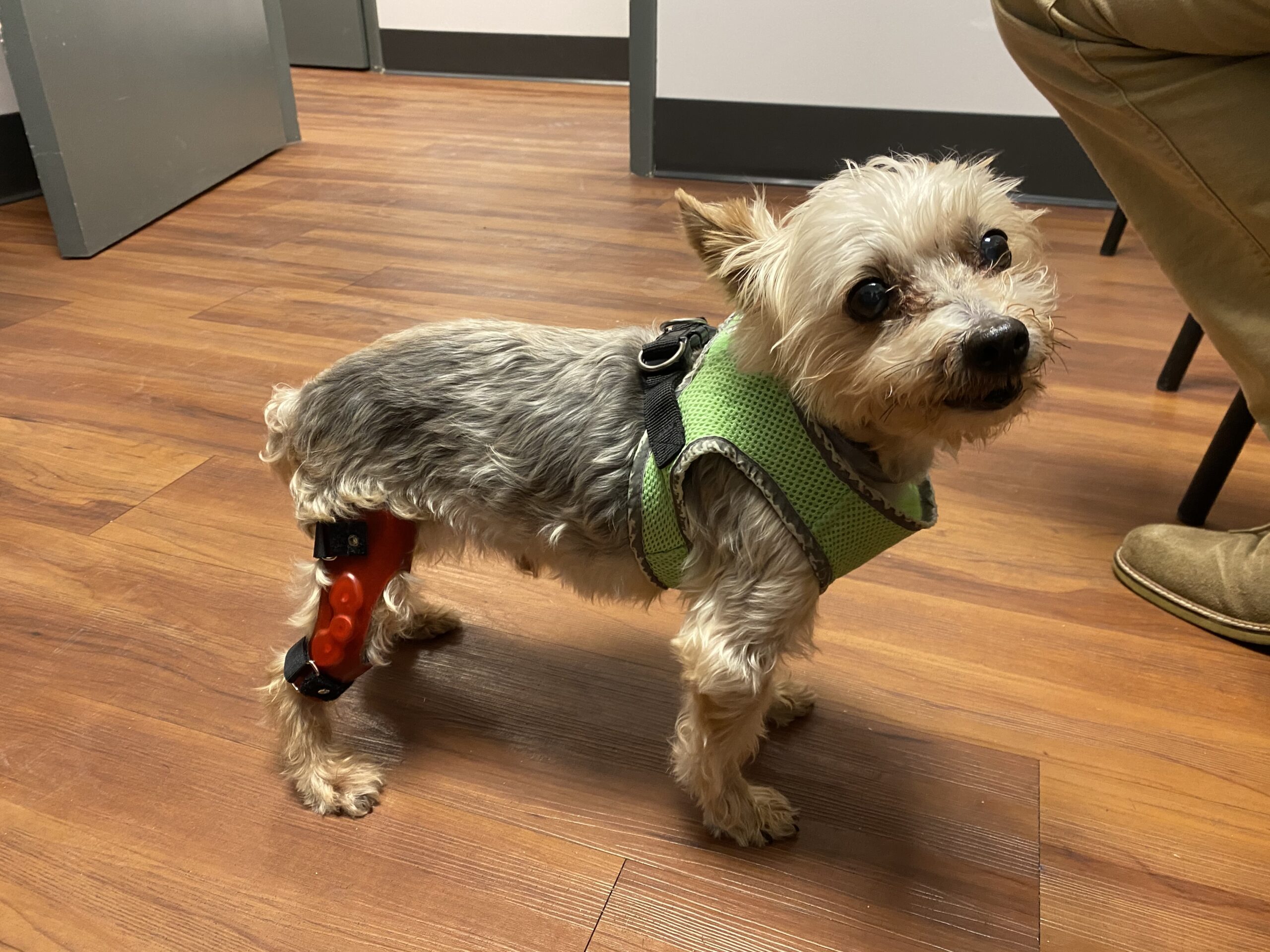
Knee braces for dogs are a very good option among other methods to stabilize a torn CCL. They support the joint more, which helps the ligament with less stress and also pain.
Braces like the Hero Knee Brace are custom-fitted and made from light, waterproof materials with a focus on comfort while going through daily activities. They are suitable for walking, running, and even during swimming or underwater treadmill sessions as part of physical therapy. Knee braces are a great help for dogs that are not eligible for surgery, older ones, or those who are recovering post-surgery.
A knee brace can help your dog to slowly regain the confidence of walking and running, and at the same time it can still prevent the injury from happening again. Besides, it keeps your dog engaged in some light activity which is very good for the strength of the muscles.
2. GingerLead Support Harness
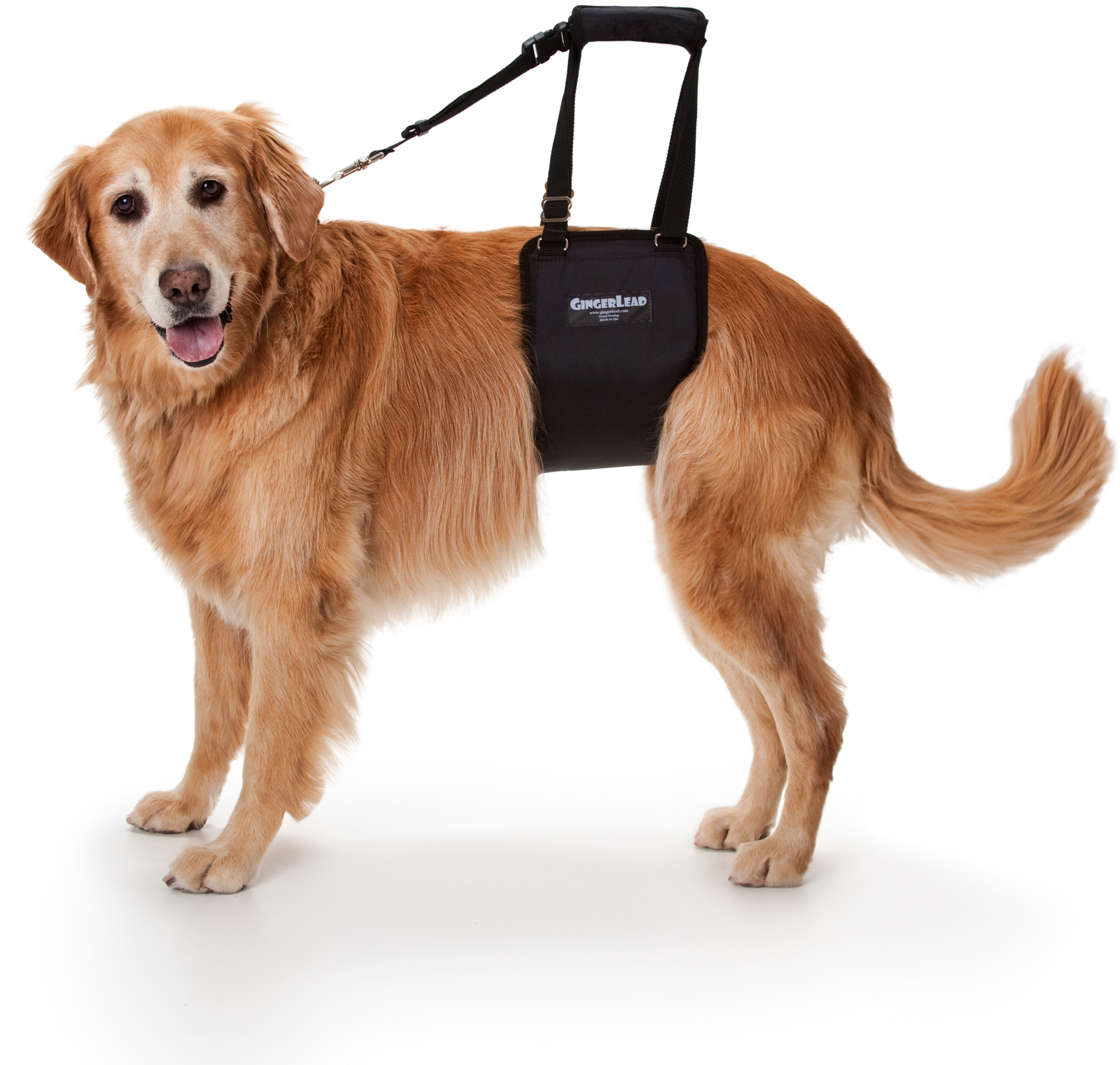
The support harness is another indispensable tool for a dog suffering from a torn CCL. The GingerLead harness is a good example as it is made to render total-body support, hence, allowing your dog to move around safely without putting extra pressure on the injured knee.
The harness here is padded and adjustable, thus it can be used for dogs of any size including those weighing up to 250 pounds. It is the best option in case of helping dogs to get up, climb upstairs, enter and exit cars, or just walk on non-uniform surfaces. A harness allows your dog to keep its balance and thus avoids further injuries by giving support from the body and not just from the injured leg.
A daily use of a support harness can make the process of healing easier and less frustrating for your pooch and at the same time keep it active and the knee protected.
3. PEMF Therapy Beds
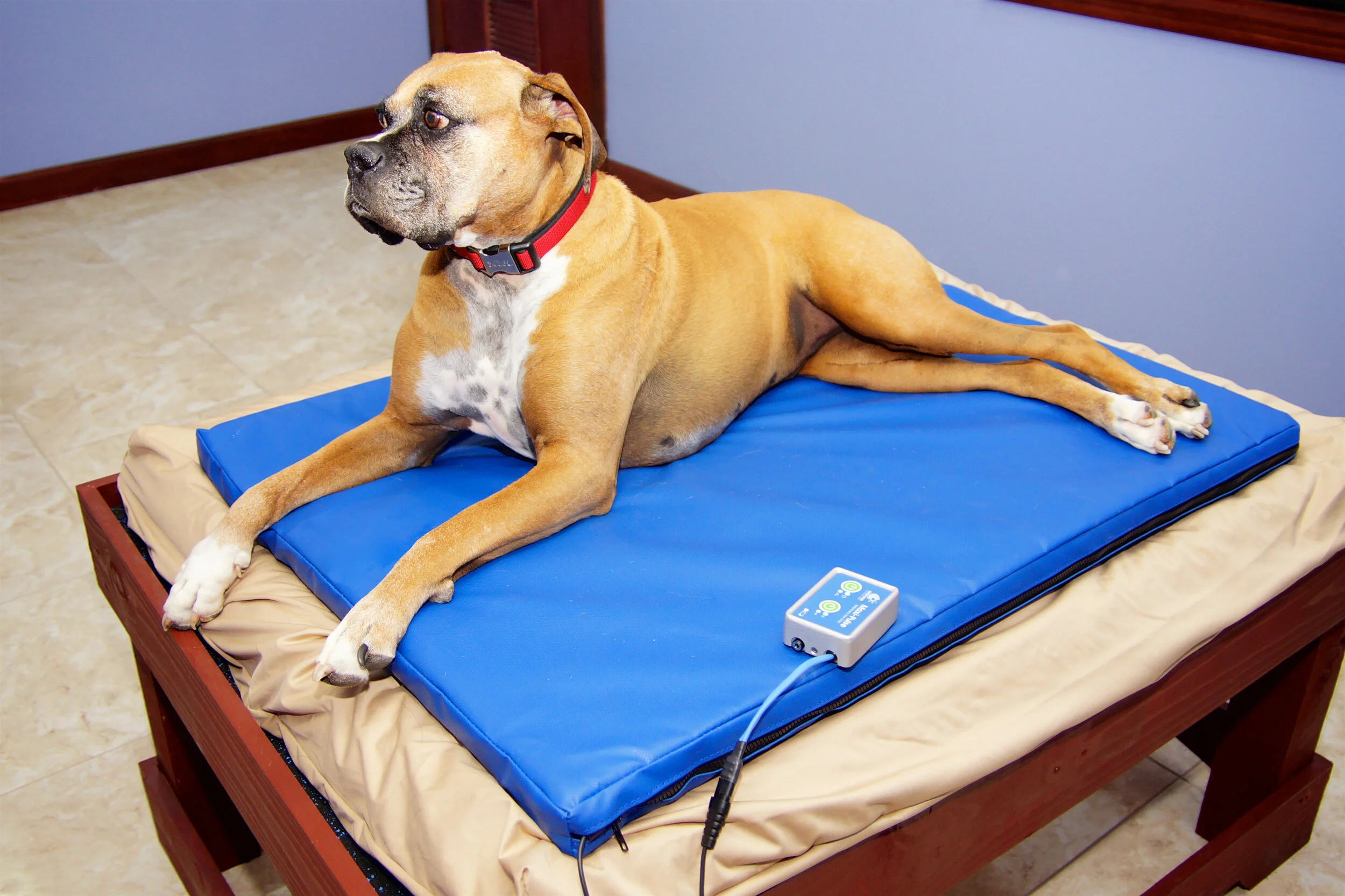
Pulsed Electromagnetic Field (PEMF) therapy is one of the latest advancements in veterinary medicine which has been exceptionally helpful in healing dogs with joint injuries. With the help of the PEMF therapy beds, electromagnetic waves are utilized to stimulate blood flow, hence reducing swelling and repairing tissues in the affected area.
In the case of dogs that are recovering from a torn CCL, PEMF therapy not only reduces pain but also enhances movement and quickens the healing process. A lot of veterinary centers do suggest regular sessions as a part of a holistic recovery plan.
4. ToeGrips for Dogs
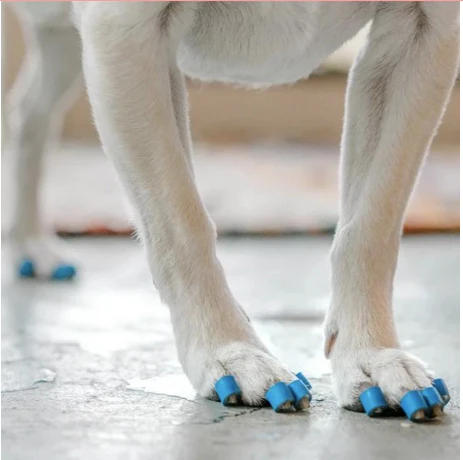
ToeGrips are rubber grips that go over the nails of your dog and offer traction and stability enhancement. The dogs that have CCL injuries usually have rear leg weakness, which causes them to have difficulty on slippery floors or while climbing stairs. This is where ToeGrips come in as they will give your dog a good grip which will reduce the chance of falls and injuries.
These grips are extremely important for geriatric dogs, obese dogs, and dogs that are under medical supervision due to an operation. Not only that, they are very simple to put on and can be used in both indoor and outdoor areas. Better traction significantly increases your dog’s confidence in moving which in turn increases its activity level and prevents the loss of muscles during the recovery process.
Combining ToeGrips with a knee brace or support harness will not only make it easier for your dog to do the rehabilitation exercises but also provide a safer environment for your pet.
5. Structured Rehabilitation Programs
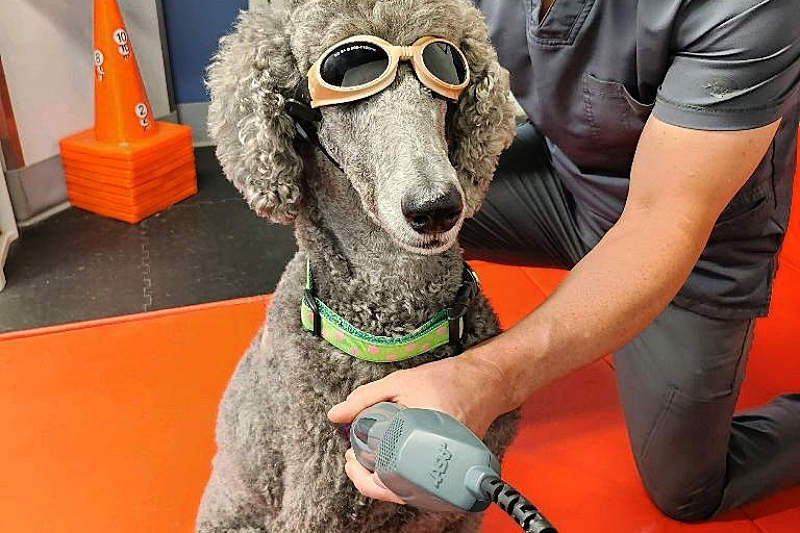
A Structured Rehabilitation program is also very important for your dog to regain mobility and strength after a CCL injury. Plan from Canine Rehab Academy for 12 weeks at home rehabilitation because they provide step-by-step exercises that help your dog to strengthen the muscles around the knee and also improve the flexibility.
Here, we discuss what Rehabilitation programs provide:
- Stretching Exercises
- Maintained walking routines
- Control and proprioception exercises
- Recommendation for icing and pain management
Making sure that the dog gets through the process in a safe manner should be the first and only aim of a structured plan while at the same time lowering the chances of re-injury. Veterinary doctors visiting regularly will be able to watch the healing process and tune in to the program according to the situation.
Conclusion
We know that recovering from a Torn CCL can be very challenging, but if you use the right tools and proper care, then your dog can regain the strength and mobility. All 5 mentioned tools play a very important role in recovery. We also provide a blog on the knee surgery for dogs. Go and check this out also!
FAQs
What is a CCL tear in dogs?
A CCL tear is a knee injury in dogs which is similar to an ACL injury in humans. It can affect a dog to walk and limit its mobility.
How do I know if my dog has a torn CCL?
Common signs are limping, difficulty standing or climbing stairs, swelling in the knee, and reluctance to run or jump. In that case, a vet can help your dog confirm the diagnosis with an exam or X-ray.
Can a dog recover from a CCL tear without surgery?
Yes, of course, your dog can recover from a CCL tear without surgery. Make sure you can give your buddy proper support, rehabilitation exercises, and use tools like knee braces, harnesses, and traction aids. This process may take longer to recover your dog from injury, but it is very effective, especially in older or smaller dogs.
What are the best tools to help a dog with a torn CCL?
Here we provide you with some best tools that help your dog with a torn CCL:
- Knee braces for stability
- Support harnesses for mobility
- PEMF therapy beds for healing
- ToeGrips for traction
- Structured rehabilitation programs
Where can I get help for my dog’s CCL recovery?
Veterinary centers like Pet Care Partners are here to guide you in selecting the right tools, design a proper rehab plan, and monitor your dog’s progress to ensure a safe recovery.
{
“@context”: “https://schema.org”,
“@type”: “FAQPage”,
“mainEntity”: [{
“@type”: “Question”,
“name”: “What is a CCL tear in dogs?”,
“acceptedAnswer”: {
“@type”: “Answer”,
“text”: “A CCL tear is a knee injury in dogs which is similar to an ACL injury in humans. It can affect a dog to walk and limit its mobility.”
}
},{
“@type”: “Question”,
“name”: “How do I know if my dog has a torn CCL?”,
“acceptedAnswer”: {
“@type”: “Answer”,
“text”: “Common signs are limping, difficulty standing or climbing stairs, swelling in the knee, and reluctance to run or jump. In that case, a vet can help your dog confirm the diagnosis with an exam or X-ray.”
}
},{
“@type”: “Question”,
“name”: “Can a dog recover from a CCL tear without surgery?”,
“acceptedAnswer”: {
“@type”: “Answer”,
“text”: “Yes, of course, your dog can recover from a CCL tear without surgery. Make sure you can give your buddy proper support, rehabilitation exercises, and use tools like knee braces, harnesses, and traction aids. This process may take longer to recover your dog from injury, but it is very effective, especially in older or smaller dogs.”
}
},{
“@type”: “Question”,
“name”: “What are the best tools to help a dog with a torn CCL?”,
“acceptedAnswer”: {
“@type”: “Answer”,
“text”: “Here we provide you with some best tools that help your dog with a torn CCL:
Knee braces for stability
Support harnesses for mobility
PEMF therapy beds for healing
ToeGrips for traction
Structured rehabilitation programs”
}
},{
“@type”: “Question”,
“name”: “Where can I get help for my dog’s CCL recovery?”,
“acceptedAnswer”: {
“@type”: “Answer”,
“text”: “Veterinary centers like Pet Care Partners are here to guide you in selecting the right tools, design a proper rehab plan, and monitor your dog’s progress to ensure a safe recovery.”
}
}]
}