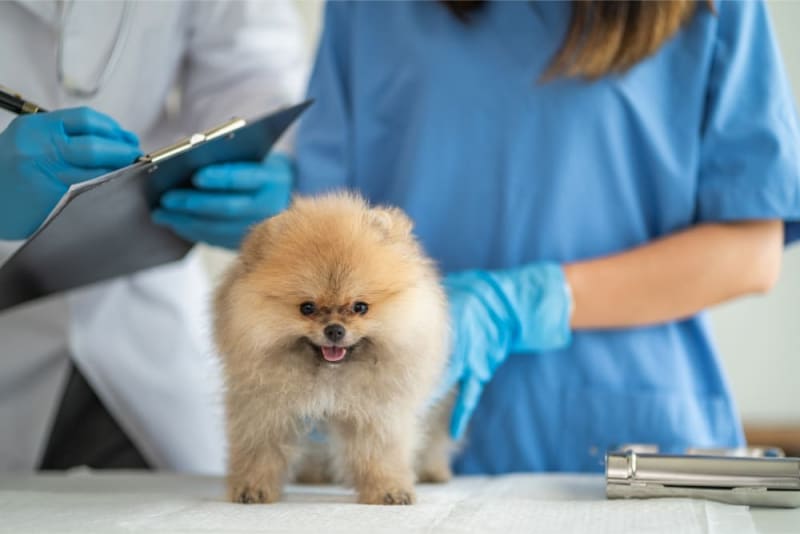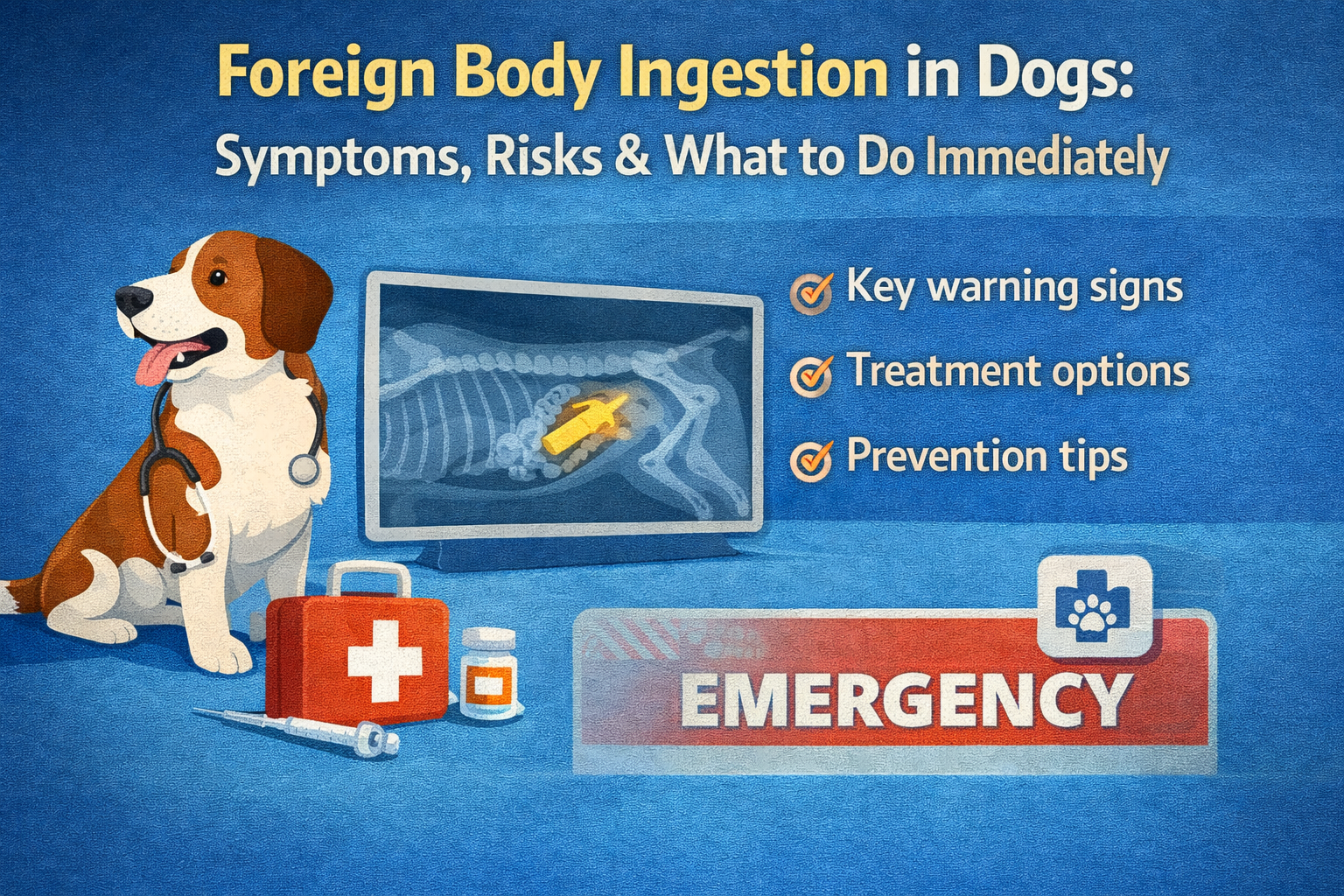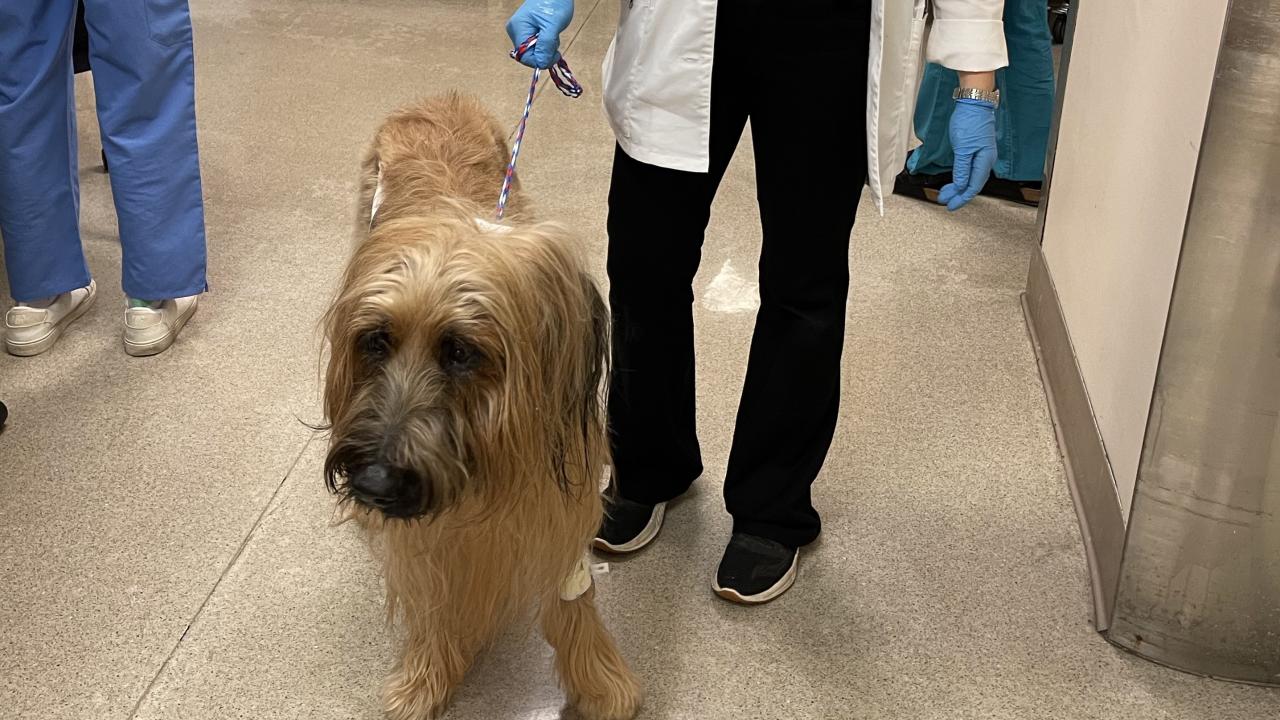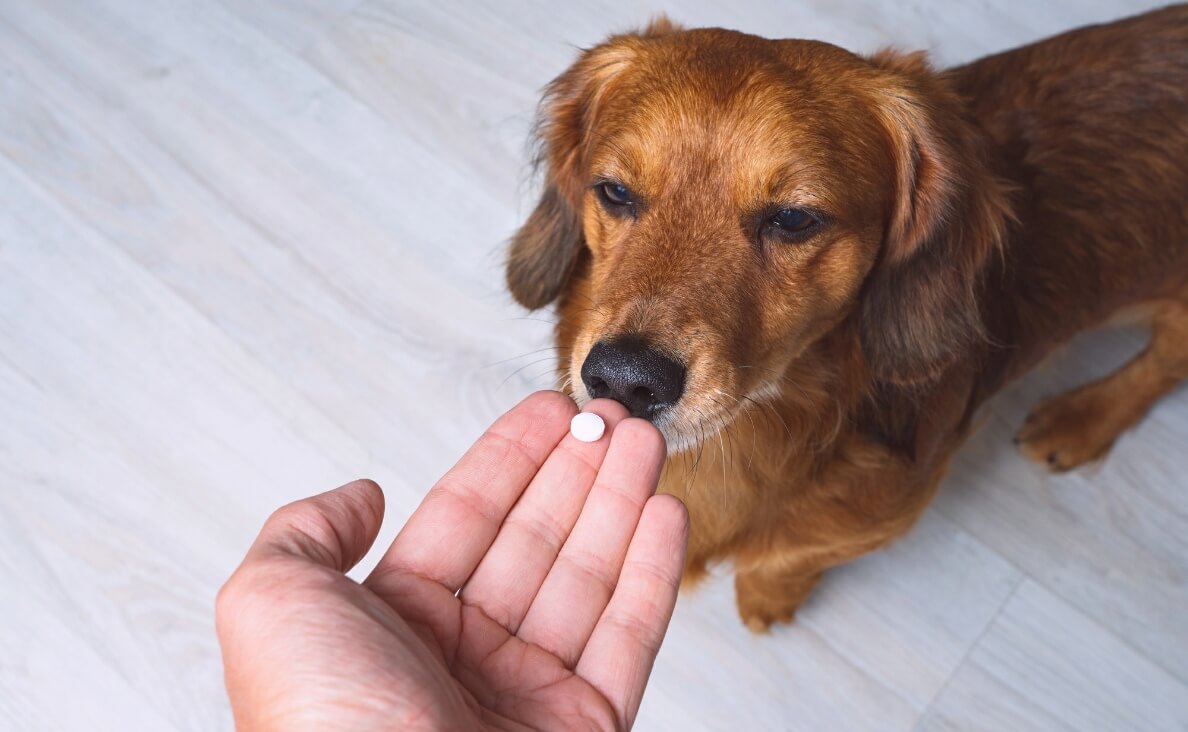
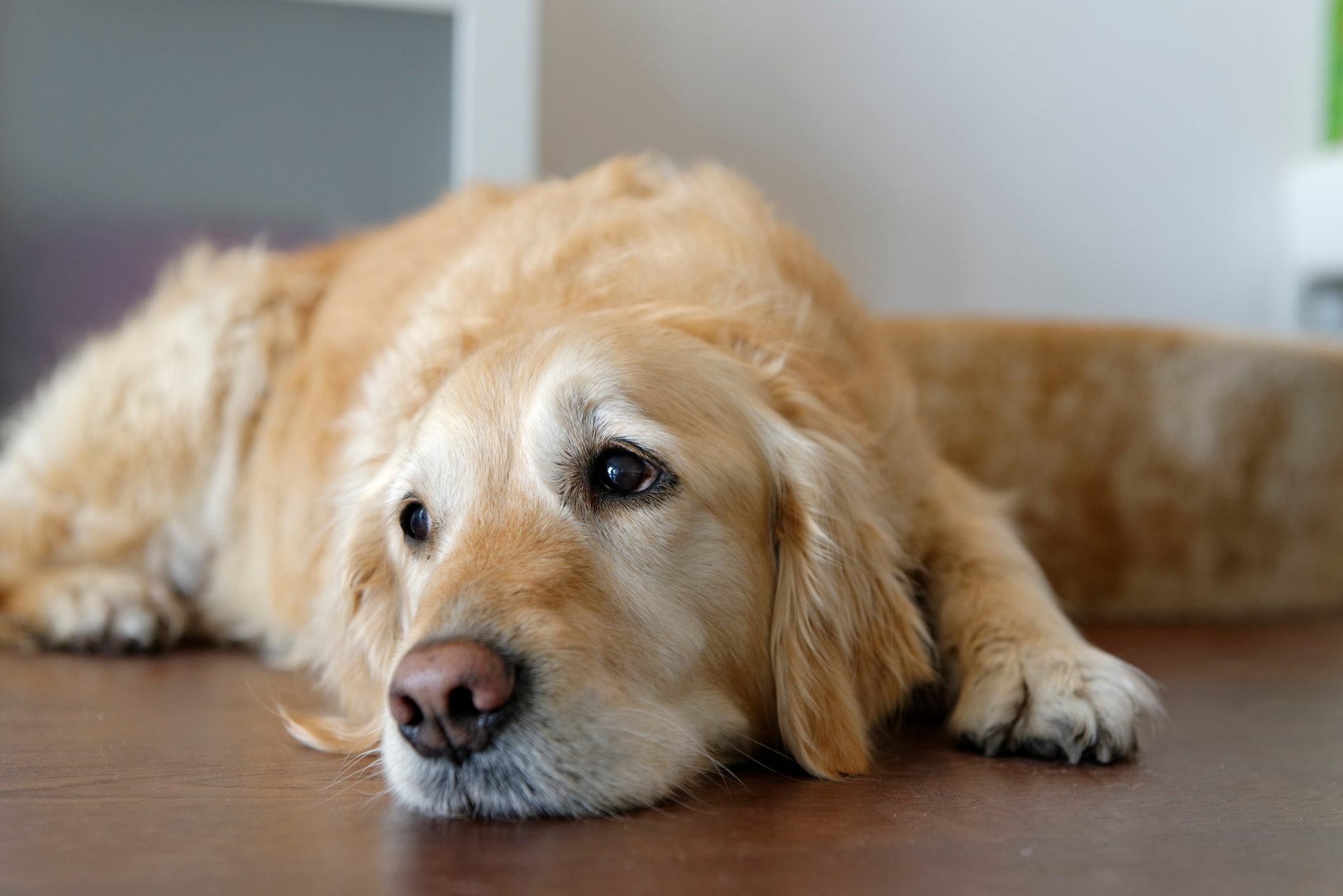
Every day, as a dog owner, you see the goofy things your dog does to make you laugh – going fast, wagging his tail, and sleeping in funny ways. But noticing these little changes in your dog’s behavior can save his life. Dogs are very good at hiding pain, so this subtle indication could be a sign of an injury or chronic illness. With this guide, you will learn when to contact a veterinarian with your dog.
Below are 10 of the most serious warning signs that you should be aware of, the reason for concern, and what the next steps are.
1. Sudden Limping or Difficulty Walking
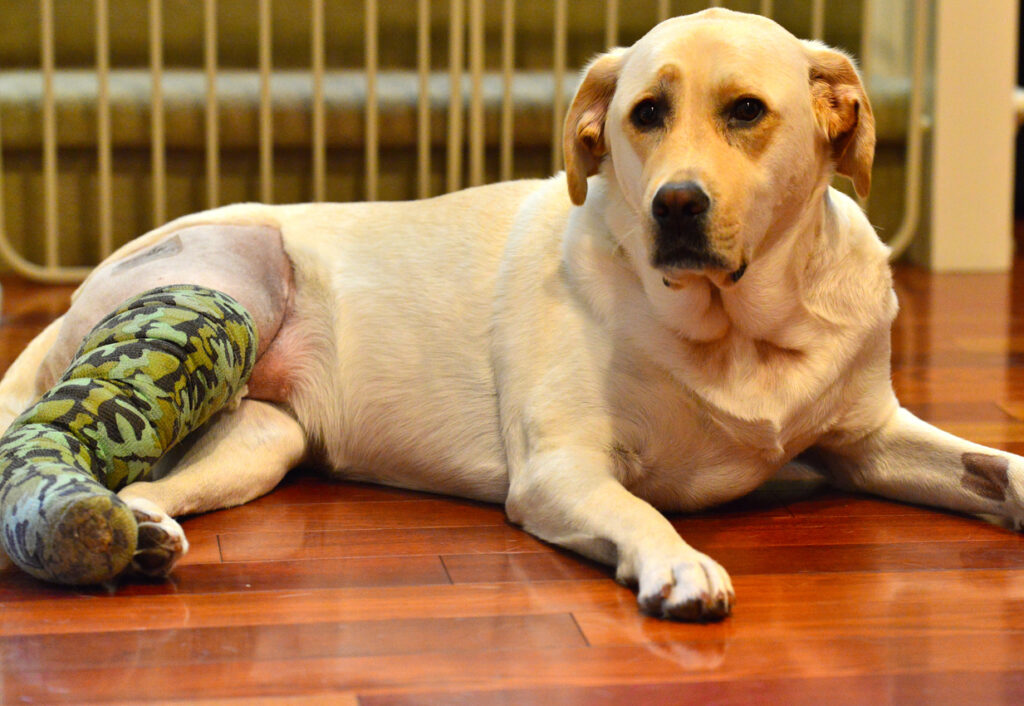
Don’t think of sudden limping as a non-urgent situation. It could indicate serious conditions ranging from a simple sprain to a ruptured CCL/ACL, hip issues, or a broken bone. If your dog suddenly can’t put any weight on one paw, is crying, and won’t even walk on it, contact a veterinarian immediately.
Tip: If your dog’s limp does not improve within 24 hours — or you see it suddenly and severely — contact a veterinarian as soon as possible.
2. Changes in Eating/Drinking Habits
The absence of one meal does not usually raise any concern for a dog. However, no food consumption for an extended time (24 hours or more) or an excessive increase or decrease in drinking of water could be a symptom of a more serious health issue. This includes kidney disease, diabetes, and other serious health problems. It is essential to monitor your dog if:
- Stops eating or refuses food.
- Vomits up after eating.
- Appears to be starving but is losing weight.
- Drinks more than normal (polydipsia).
Do not ignore any of these signs.
3. Prolonged Vomiting or Diarrhea
Occasional upset stomachs are very common for dogs, usually caused by an unusual dietary issue. Prolonged (i.e., recurring) vomiting or diarrhea (i.e., colored/ bloody) may indicate an extreme health issue. Examples are pancreatitis, poisoning, a parasitic infection, or a gastrointestinal blockage. If you have concerns about your dog being lethargic or bloated after vomiting, take your dog to a veterinarian immediately, as it may indicate an emergency.
4. Bad Breath/Drooling/ or Avoiding Chewing
Dental problems are one of the most common problems for dogs, and many pet owners are not aware of the severity of dental problems and the importance of proper dental care. Bad breath is more than just an unpleasant odor; it usually indicates a dental disease/infection/cavity. Look out for:
- Extra drooling.
- Pawing at the mouth.
- Bleeding gums.
- Difficulty in chewing on hard foods/toys.
If dental problems are left untreated, they can lead to further issues with the heart, kidneys, and liver.
5. Sudden Unexplained Changes in Weight
If there is any significant or sudden change in a dog’s weight that does not relate to diet, then it must be pursued with the veterinarian. Any significant loss of body weight in a dog may indicate:
- A thyroid issue
- Cancer
- An organ disease
- Parasites
- Diabetes
Any increase in weight in a dog may indicate a hormone imbalance due to fluid retention from either heart or kidney disease.
If you notice that you can easily run your hand down your dog’s sides and feel their ribs, or you cannot, you need to make an appointment for a veterinary examination.
6. Excessive Itching/Scratching and/or Hair Loss
When a dog itches, scratches, and/or loses hair excessively, this can indicate that there may be something more than just an allergy. Excessive scratching or licking of the skin can also be caused by infections, mites, fleas, autoimmune diseases, food intolerances, etc. Excessive scratching or licking of the skin can cause damage to the skin, leading to painful sores and secondary infections.
If a dog is licking or scratching constantly, losing patches of hair, or both, then it is time to bring him to a veterinarian.
7. Changes in Behavior/Personality
Changes in behavior are one of the most overlooked but serious signs that require immediate attention from a veterinarian. Changes that indicate a need for immediate veterinary attention include:
- Aggressive
- Withdrawn and/or Hide
- Unreasonably Clingy
- Unreasonable, Tired / Uninterested in Playing
Changes in behavior can indicate pain, neurological issues, or systemic illnesses.
8. Any Changes in Breathing or Persistent Coughing
Any changes in a dog’s breathing pattern, including wheezing, coughing, gasping, or increased breathing rate, require immediate veterinary attention.
Some examples are as follows:
- Heart Disease
- Collapse of the trachea
- Lung infections
- Allergic reactions
- Heat-related illness
An emergency is when your dog has blue or pale gums.
9. Disorientation Due to Seizures or Balance Problems
Seizures usually occur due to toxins, metabolic disorders, neurological complications, or seizures generated by the brain (Epileptic seizures). One seizure requires you to take the pet to a veterinarian.
Balance problems, head tilting, and walking in circles may indicate ear infections, stroke, or vestibular disease.
10. Frequent Urination, Accidents, and Difficulty Urinating
A change in urination habits may indicate some form of health problems, such as urinary tract infections, kidney failure, diabetes, bladder stones, and prostate disease.
If your dog is straining or unable to urinate, they must be seen by a veterinarian as soon as possible. Urinary blockages can be fatal emergencies.
The Bottom Line: When to See Your Vet?
Whenever you notice an unexpected change to your dog’s health, painful symptoms, or anything that does not feel right, you are in the best position to observe your dog’s habits. Listen to your instincts regarding the health of your pet, because a sick dog rarely complains.
Conclusion
Knowing when your dog should go to the veterinarian is essential to identifying signs that indicate your pet is sick as soon as possible. Signs of sudden limping in dogs can indicate a cranial cruciate ligament tear or an anterior cruciate ligament tear. Bad breath or chewing problems usually indicate dental problems. Increased thirst and/or urination are signs of potential kidney disease.
Because all of these problems can develop into severe medical emergencies very quickly, it is essential to take action as soon as possible; it may make all the difference in the outcome of the problems. When you feel that something is “off” with your dog, pay attention to your instincts; your dog’s health depends on your actions!
FAQs
How do I determine if my dog needs to see the vet or if it is just a minor problem?
You should seek the advice of a veterinarian if a symptom persists for more than 24 hours, arises suddenly,/or causes pain. Minor issues typically get better very quickly, whereas serious issues usually do not.
What symptoms should require immediate emergency vet care?
If your dog is having trouble breathing, has fallen over or collapsed, has had a seizure, has a bloated abdomen, cannot urinate, is continually vomiting, has a severe limp, or has pale or blue gums, you should definitely seek emergency help immediately.
Can I wait and see if it gets better overnight?
Do NOT wait if your dog is showing symptoms that include pain, lethargy, continually throwing up, or neurological signs. Prolonging medical attention could cause further deterioration.
Why does my dog hide pain?
Dogs are instinctually designed to hide weakness as a matter of survival. Their ancestors had to be able to continue hunting for food or protecting themselves from other predators without the ability to indicate vulnerability or weakness. This is one of the reasons why you should never ignore subtle signs of illness.
How often should I take my dog to see a vet for a routine wellness check?
Adult dogs typically require annual wellness checks. Elderly dogs and those suffering from ongoing health issues might require appointments every six months.