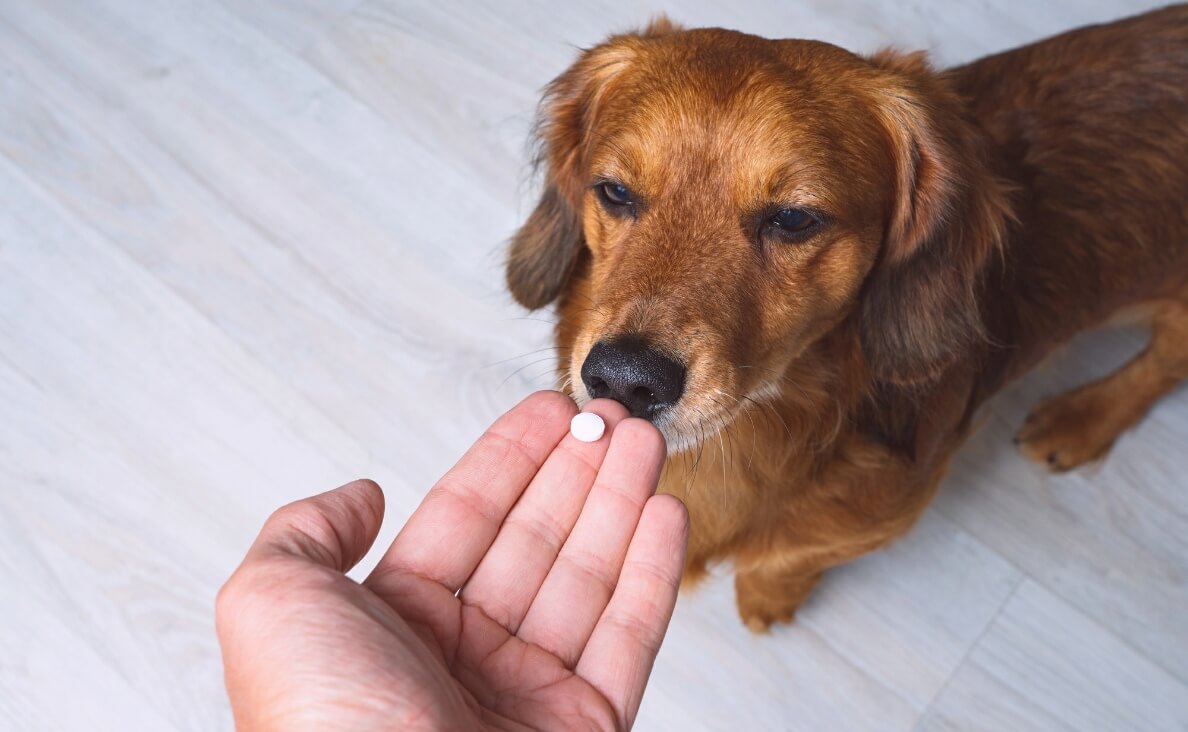
A dog limping is an alarming sight for any dog owner, and you might feel a sense of panic when seeing your dog limping. You might find your dog running happily one moment and then having to search online for advice about how to treat a limping dog. You might have the same concern as many dog owners: “Can I give my dog aspirin for a limp?“
To help dog owners understand the process of treating limping in dogs, we have put together some helpful tips to follow when safely treating your dog’s limp.
Why Do Dogs Limp? The Answer is Not Always Obvious
There are so many different reasons why a dog can limp. Your dog may not make any sounds when injured or show any signs of pain. Many dogs have a very high pain tolerance and do not show any outward discomfort even when limping. Therefore, just because your dog appears to be okay when limping does not mean that there is nothing wrong. A few common causes for a dog to limp are:
- Spraining or straining a muscle while playing or jumping too much.
- Cutting, tearing, or hurting the pad of the foot; thorns or other sharp objects can also get stuck in the paw.
- Leg or joint problems, such as arthritis or hip dysplasia.
- Fractured bones, including broken toenails.
- Infection and/or inflammation in the paw.
- Foreign object caught between toes.
Your dog could be limping because of something very small or because of something very serious. For this reason, it is very dangerous to try and play “guess the cause yourself,” and it is why you should always take your dog in for an examination if they are limping to a vet.
So…Can I Give My Dog Aspirin?
The truth is “No”.
The truth is, it is not a good idea to give your dog aspirin without the supervision of a veterinarian.
Aspirin may work great for humans, but dogs metabolize medications completely differently from humans.
When aspirin might help:
The only time a veterinarian may use aspirin as a temporary measure is in the very rare instance that no other options are available.
If this is done, the veterinarians must be sure that the dosages are extremely accurate!
But on the flip side…
Aspirin can harm dogs by:
- Causing Stomach Ulceration or Gastrointestinal Bleeding
- Damaging Kidneys or Liver
- Threatening Life by Causing Blood Clotting Disorders
- Being Toxic at Higher Than Normal Doses
The main issue is that the margin of safety between what is considered a “safe” dose and what could be toxic for a dog is so very small.
“Due to all of the safer, more effective alternatives now available for dogs, very few veterinarians recommend giving your dog aspirin any longer.”
What You Should Do When Your Dog is Limping
So, if your dog is limping, instead of giving him aspirin, here’s what your veterinarian will likely suggest you do:
Allow your dog to Rest; no more running, jumping, going up and downstairs, chasing after toys, or playing roughly with other dogs.
Check the paws; Inspect your dog’s paws to check for Cuts, Foreign Objects stuck between Toes, Broken Nails, Swelling, etc.
If the paws/Feet are swollen, apply a Cold Compress!
Humans limp, too, but only for a short time.
Veterinary Examination
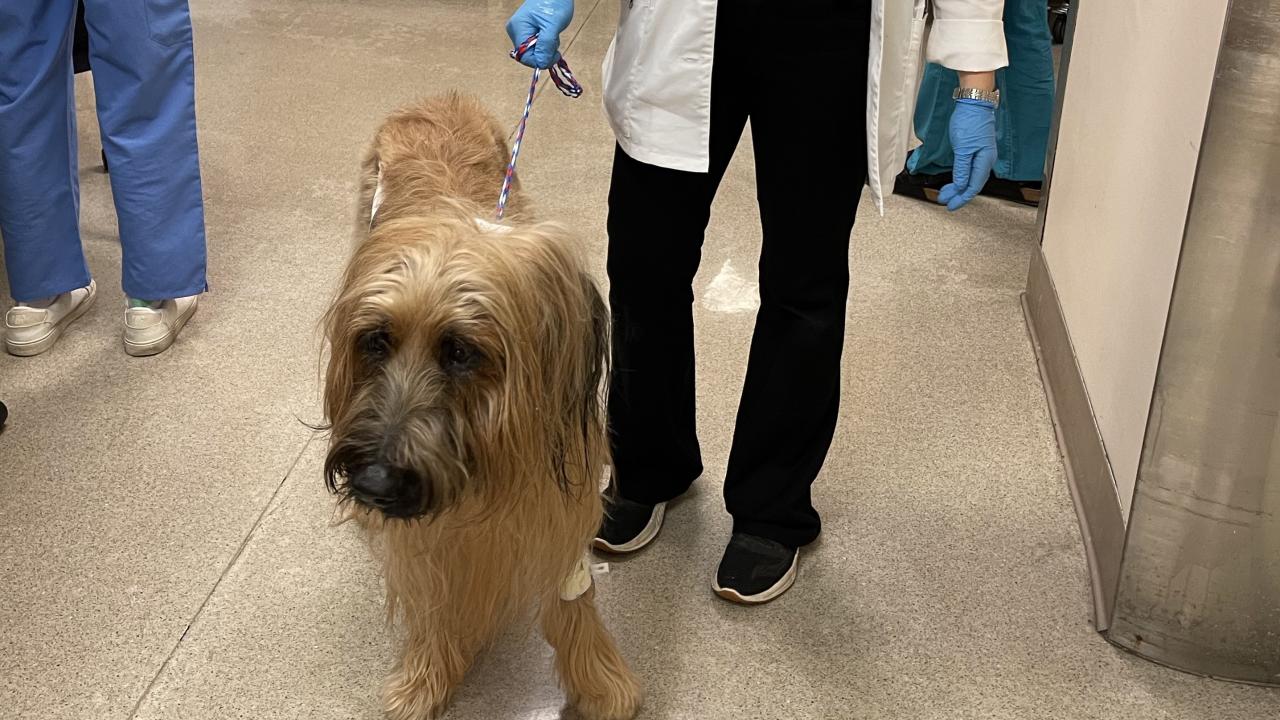
Visiting a veterinarian should always be the first step when a dog has a limp, especially if there is any reason to suspect that the limp might be serious. Consider getting your dog x-rayed or checked for orthopedic injuries.
Medications That Are Approved by Your Veterinarian
Whenever possible, use only medications that were designed or prescribed by your veterinarian, as these medications are much more effective for treating pain in dogs and have far fewer side effects than medications that are given to humans.
- Carprofen
- Meloxicam
- Deracoxib
- Firocoxib
The vet will choose the best medication for your dog based on his/her age, breed, and health history, and the type of injury/condition causing the limping.
Time When A Dog Requires Emergency Care
If your dog is limping and you notice that your dog has decreased the amount of weight on the bleeding leg or shows signs of swelling, bleeding or visible deformity, or if you notice that the limp started suddenly after a traumatic event, or if your dog looks to be tired or shaky, or does not seem to be showing any interest in food, you should take your dog to the veterinarian immediately.
If your dog doesn’t eat or vomits and has dark or tar-colored stools, this may indicate internal blood loss or bleeding from an injury.
A Simple Truth About Caring for Your Dog
If you know your dog is limping, it is completely normal for it to be receiving immediate attention; however, giving it a pain reliever such as aspirin can actually make the limping worse. The best course of action is to allow your veterinarian to determine what is causing the limping and then to provide the proper veterinary care. Your dog depends upon you to do the right thing, which is to avoid giving your dog aspirin.
FAQs
My dog is limping but shows no sign of pain. Should I give my dog aspirin?
No, dogs are known to hide their pain from us, and when they take aspirin, it can hide their symptoms as well as create problems for them in the long run. Give your dog some rest and contact your veterinarian.
Why is my dog limping?
There are many reasons for your dog to limp, including a sprained muscle, hip problem, or foreign object in your dog’s foot, to name a few. Any time a dog is limping, it’s an indication that they should see a veterinarian.
What can I give my dog other than aspirin?
Your dog should only be given medications prescribed by your veterinarian. Usually, these medications are NSAIDs that are safe for dogs, such as Carprofen and Meloxicam.
Can a dog take aspirin safely?
Very rarely can a dog take aspirin safely, and only if prescribed and monitored by a veterinarian. Many veterinarians no longer recommend it due to the number of safer alternatives available to them.
I already gave my dog aspirin; what now?
If your dog is exhibiting any symptoms of vomiting, diarrhea, dark-colored stool, wobbling while walking, or lethargy, please contact your veterinarian immediately. All of these symptoms could indicate toxicity related to the ingestion of aspirin.