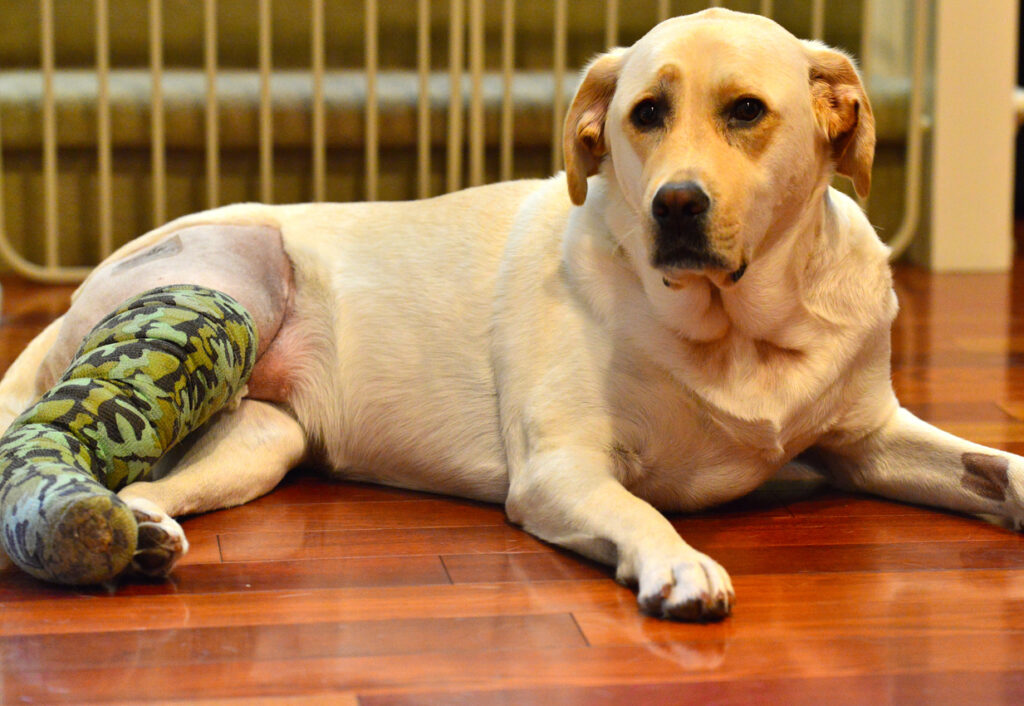

Seeing your dog suddenly favor one leg can be scary – especially when your dog is limping but doesn’t seem to be in any kind of pain. No crying, no whimpering, no obvious injury… just a limp. This situation often leads pet parents to ask this question: Is it serious, or will it just get better by itself?
The short answer is: sometimes yes, sometimes no. Dogs are very good at hiding that they are not comfortable, and a limp – whether painful or not – is your dog’s way of telling you that something is not right.
We can figure out the reasons why your dog is limping, when to be concerned, and what you should and shouldn’t do next.
Why Is My Dog Limping But Acting Normal?
“Why is my dog limping if he doesn’t seem to be hurt?” is a question that many pet owners ask. The fact is that dogs were known to hide their pain as a survival instinct. Even when my dog is limping but shows no sign of pain, it doesn’t mean that there is no problem. Some common causes are:
1. Minor Injuries or Muscle Strain
A dog can pull a muscle while running, jumping off the sofa, or playing too vigorously. Such injuries may result in my dog being limp, but the pain may be so low that the dog does not show any reaction.
2. Paw or Nail Problems
A broken nail, small cut, thorn, or piece of litter that is stuck in the paw can make a dog limp without obvious pain. Always look between the toes and the pads.
3. Joint or Ligament Issues
Arthritis in the early stages, hip dysplasia, or ligament strains (such as partial ACL tears) can be the reasons for the intermittent limping. In the beginning stages, my dog is limping but shows no sign of pain because is inflammation hasn’t peaked yet.
4. Growth-Related Conditions
Puppies of large breeds can get diseases such as Panosteitis (growing pains), which results in changing lameness without causing the puppy too much pain.
5. Neurological or Structural Issues
On rare occasions, nerve compression or spinal issues may cause limping without the outward indication of pain.
“According to veterinary research, almost 60% of dogs older than 7 years show symptoms of joint disease – even when their owners say no pain behaviors have been observed.”
Is It Serious If My Dog Is Limping?
If my dog is limping only for a few hours after playing and the condition gets better with rest, then it probably isn’t serious. However, it would be a mistake not to take it seriously if:
- The limp has been present for more than 24-48 hours
- The limp gets worse over time
- Your dog is unwilling to put weight on the leg
- Swelling, heat, or stiffness may be present.
- Your dog becomes lethargic or stops eating.
An ongoing limp is never normal, even if your dog is limping but doesn’t seem to be in any kind of pain.
Should I Let My Dog “Walk It Off”?
Usually light rest will do the trick, but if you completely disregard a limp, you risk making the injury worse. For a day or two, running, jumping, and going up or down stairs should be limited. Walking with a leash only.
If, after resting, the question of why my dog is limping is still there, it is time to see a vet. Treatment started early can be a great prevention tool against chronic problems, especially in cases of joint or ligament issues.
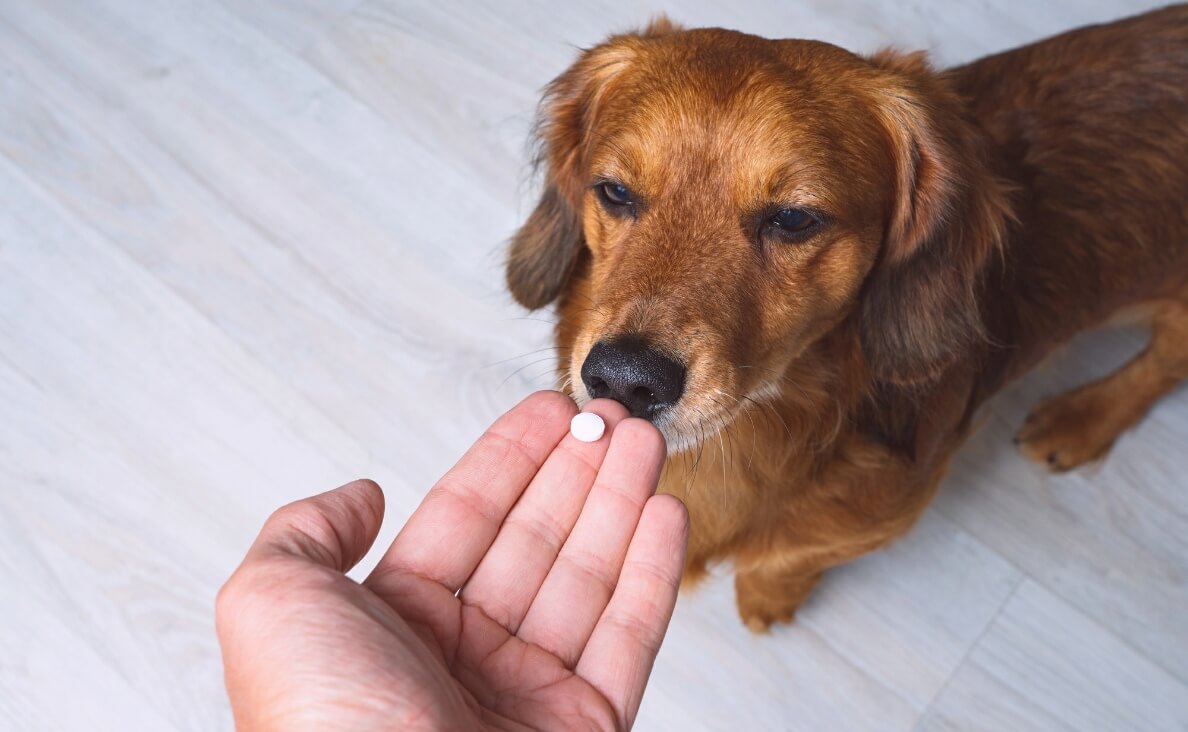
Can I Give My Dog Aspirin for a Limp?
This is one of the most frequently asked questions: Can I give my dog aspirin for a limp?
The answer is: Don’t give aspirin unless your vet specifically advises you to do so.
Medications for humans – aspirin, ibuprofen, and acetaminophen included – may harm dogs or even cause their death if the dosage is not correct. Aspirin may cause:
- Ulcers of the stomach
- Bleeding inside
- Kidney damage
There are pain-relief drugs made especially for dogs that are much safer and more efficient. Never give any medication without first consulting your vet.
What You Can Do at Home
If my dog is limping but shows no sign of pain, you can:
- Carefully check the paws and nails
- Limit the dog’s activity for 24-48 hours
- If there is swelling, apply a cold compress for 10 minutes, 2-3 times per day
- Monitor
- Behavior and changes in gait
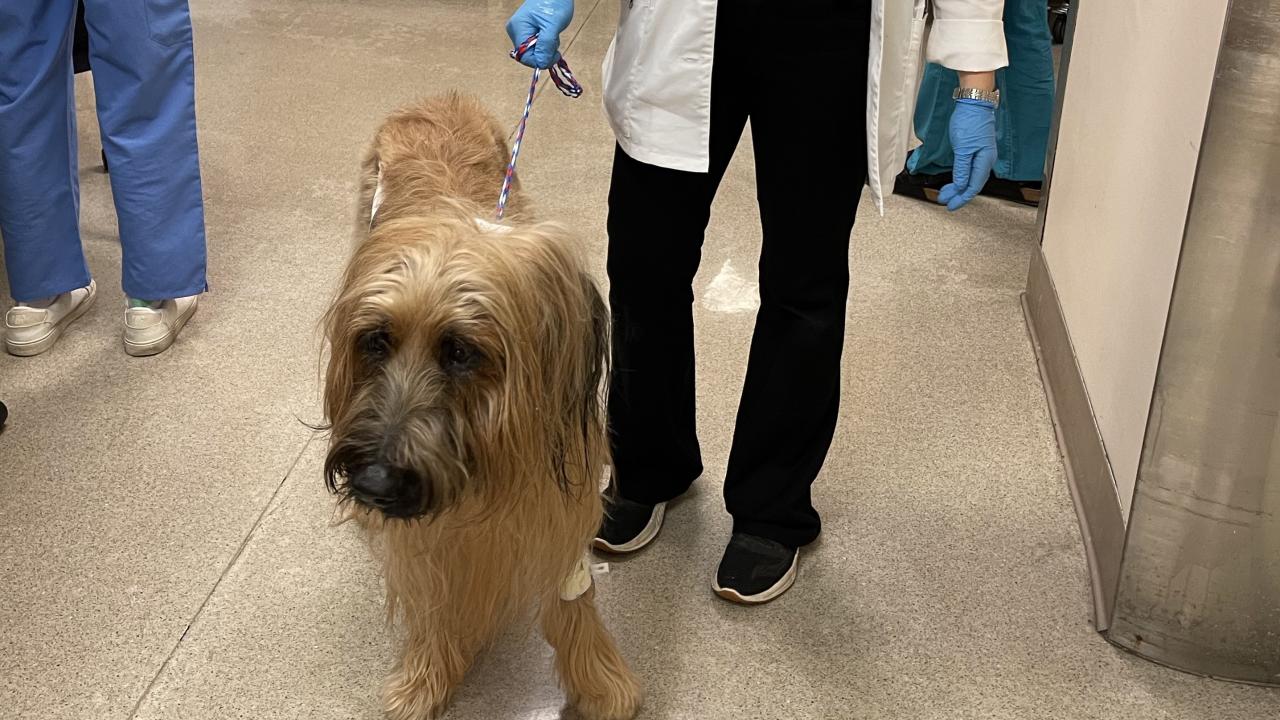
If the limp continues, the vet may need to examine the dog, perform an X-ray, or evaluate the joints.
Conclusion
When my dog is limping, and yet he doesn’t seem to be in any kind of pain, it is quite tempting to just ignore it; however, a limp is a symptom, not a diagnosis. Whether it is just a minor strain or the very first sign of joint disease, focusing on it now will spare you the trouble of long-term problems later.
Use your intuition. You know your dog better than anyone – and if you are still not sure, your vet is the best assistant you can have.
FAQs
My dog is limping but shows no sign of pain – should I still be worried?
Yes. It might still be an underlying injury or joint issue that necessitates help.
Why is my dog limping on and off?
Occasionally, intermittent limping may result from the onset of arthritis, ligament strain, or minor injuries that become inflamed due to activity. If it doesn’t stop, see your vet.
How long should I wait before I see a vet if my dog is limping?
A veterinary visit is necessary if my dog is limping for more than 48 hours or if the limp gets worse.
Can I give my dog aspirin for a limp at home?
No. It is a frequently asked question, but aspirin should only be given if guided by a vet for safety reasons.
Why is my dog limping but still running and playing?
Dogs are very good at hiding their pain. Just because my dog is limping but acting normal, it doesn’t mean that the problem is not serious.