For any pet parent, it’s always difficult to see their furry friend have a tough time with stomach issues like vomiting, diarrhea, weight loss, and/or loss of appetite. When easy home remedies and simple vet visits aren’t helping, then your vet may suggest an endoscopy to diagnose the digestive disorder. Pet endoscopy is changing the way we diagnose and treat digestive disorders in pets.
In this article, we will discuss how endoscopes assist veterinarians in diagnosing GI tract (stomach/intestine) issues in pets and what pet owners should expect during the endoscopic procedure, as well as why endoscopy is such an important part of modern veterinary medicine.
What is an Endoscope for Pets?
A pet endoscope is essentially a tube that is flexible, thin and has a tiny light on one end along with a camera for viewing purposes. The vet uses the endoscope to look at the inside of your dog or cat’s gastrointestinal system. It’s like having a mini video camera travelling down the esophagus, stomach and part of the intestine while sending live recordings back to a monitor screen for the veterinarian to view. An endoscope allows for disease processes within the GI tract to be evaluated without performing major invasive surgical procedures.
Unlike X-rays and ultrasounds that can show shapes and shadows, a direct endoscopic view provides a clearer image of the mucosal surface of the gut.
“Veterinary endoscopes provide a more detailed view of all structures within the body than any other imaging method. Animals suffering from chronic GI symptoms such as vomiting, diarrhea, and weight loss can receive an accurate diagnosis via gastroscopy, thus eliminating guesswork and helping veterinarians develop better treatment options.”
How Endoscopy Improves Treatment of Digestive Disorders
The following is a list of how pet endoscopes positively impact diagnosing and treating pets suffering from Digestive Disorders:
1. Accurate Diagnosis of Digestive Disorders
The biggest challenge associated with diagnosing digestive disorders is determining exactly what is wrong. Typically, symptoms can be common to several different digestive disorders, and the physical examination will only tell part of the diagnosis. With the aid of a veterinary endoscope, veterinarians can:
- Inspect the lining of the esophagus, stomach, and colon for signs of tissue damage, inflammation, tumors or other abnormal tissue growths
- Locate small masses or tumors that are often missed by X-rays
- Observe areas of bleeding or scarring, which can account for a pet’s vomiting or melena (black, tarry stools).
2. Biopsy Collection Without Major Surgery
If the veterinarian finds something suspicious while performing the endoscopy procedure, they can collect a biopsy or small tissue samples by placing specialized instruments through the endoscope. The biopsy samples can help confirm a diagnosis of things such as:
- Inflammatory bowel disease (IBD)
- Fungal infections, bacterial infections
- Cancer
These tests will prevent veterinarians from performing a major exploratory surgery and increase the accuracy of diagnosis and treatment for these diseases in their pet.
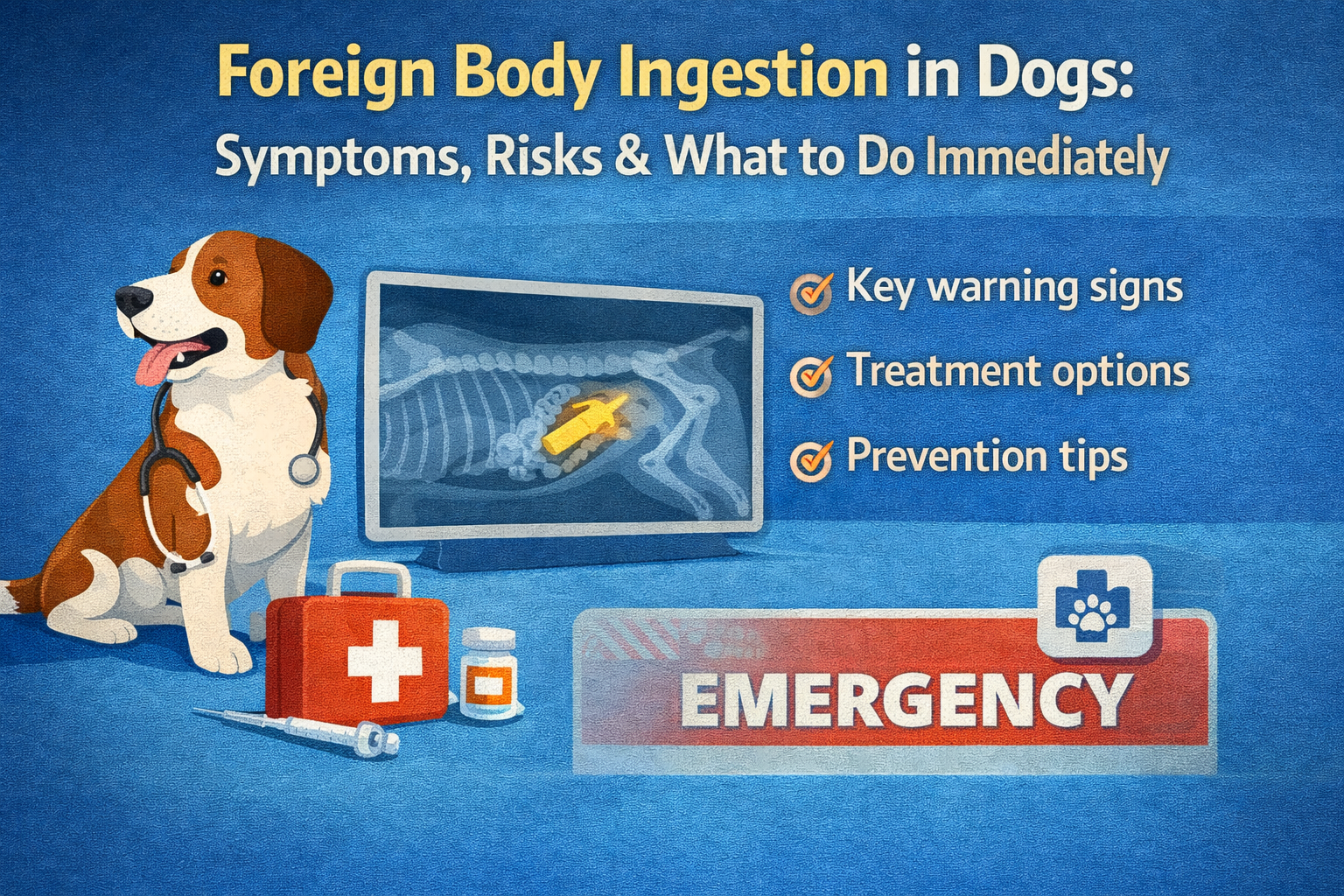
3. Foreign Body Diagnosis & Removal
A veterinarian can frequently retrieve objects (food items, toys, hairballs, etc.) that are lodged in the intestines using an endoscope, rather than having to make an incision through the abdomen of the pet, leading to a much faster recovery period after the endoscopy.
4. Minimally Invasive Procedures
The endoscopic procedure is called a minimally invasive procedure (MIP) because there are no large surgical incisions required to access the internal body (through the mouth or anus). This provides –
- Less discomfort for your pet
- Reduces the risk of future infections
- Shortens the overall length of time
At the present time, research indicates that 89% of esophageal obstructions in dogs were resolved through endoscopic procedures, avoiding invasive thoracic surgery.
Trends & Statistics: Why Pet Endoscopy Is On the Rise
Recent trends in the use of veterinary endoscopes show that these instruments are becoming more readily available in veterinary practices around the world. According to current market reports, gastrointestinal (GI) endoscopes constitute approximately 73.5% of the total number of veterinary endoscopic diagnostic examinations performed and provide veterinarians with a direct view of the gastrointestinal (GI) organs, which allows them to diagnose with greater precision.
As a result of growing awareness of the advantages of minimally invasive methods of diagnosing and treating GI-related illnesses, a growing number of veterinarians and pet owners prefer endoscopy as an effective means of diagnosing and treating digestive disease.
How Does an Endoscopy Work?
To process the endoscopic procedure on your pet in detail, here is a basic overview of the steps taken during an endoscopy:
Fasting – Before the endoscopy, most pets are not allowed food or drink to ensure their digestive tract is completely clear.
Sedation/Anesthesia – For most pets, sedatives, such as light sedation, are administered before the procedure to reduce anxiety and allow the pet to relax while remaining still.
Insertion of the Endoscope – The endoscope is inserted into the pet’s body through the mouth or rectum, based on the area being examined.
Capturing Real-Time Images – The endoscope contains a small camera that captures images of the inside of the body in real-time, which the veterinarian may then examine.
Biopsy/Treatment – If the veterinarian decides that a biopsy is necessary, small tools may be inserted through the endoscope to take tissue samples or remove foreign objects.
Quick Recovery – Once the sedatives have worn off, most pets can leave the veterinary clinic on the same day.
Conclusion
Pet endoscopy has become an indispensable diagnostic and treatment tool in veterinary medicine. It is often employed to diagnose a variety of gastrointestinal conditions, such as persistent vomiting and unexplained weight loss, as well as to retrieve any items that have been swallowed.
When your veterinarian recommends that your pet undergo an endoscopic examination to assess their digestive tract, they are likely trying to obtain a clear and detailed view of your pet’s insides without having to perform a major surgical procedure, which is good news for both you and your furry, four-legged friend!
FAQs
Will pet endoscopy hurt any animal?
While endoscopy is being done on your pet, the Veterinarian will sedate or anesthetize your pet. Because of these procedures, no pain will be experienced. Additionally, the recovery from an endoscopic procedure, on average, is fairly smooth with minimal discomfort typically reported.
How long will a pet’s endoscopic examination take?
Most endoscopic examinations take approximately 30 minutes to an hour, with the amount of time depending upon the extent of the inspection and the number of samples taken.
Is endoscopy for the diagnosis of digestive disorders, or can it provide treatment?
Endoscopy can do both. In fact, in many instances, Veterinarians can perform emergency procedures such as removing foreign bodies, obtaining biopsies and performing limited treatment as well, all in one procedure.
Will my pet need to remain in the hospital overnight following endoscopy?
It is not common for pets to stay overnight; however, pets will typically return home within a few hours after the anesthesia has worn off unless your Veterinarian needs to evaluate their condition following recovery.
What are the risks of endoscopy for pets?
Endoscopy, like other medical procedures, comes with some risks of reacting to anesthesia, the possibility of mild irritation or discomfort after the procedure; however, it is very rare for a pet to have any serious complications arising from a veterinarian’s endoscopic examination, and your Veterinarian will discuss risks with you prior to the endoscopic procedure being done.