It could be. Signs of stumbling, dragging legs, and crying out in pain are usually signals of a spinal or nerve issue. Early checkup gives your pets the best chance to get better.
We address neurological conditions related to the brain, spinal cord, and nerve issues. This can include slipped discs, seizures, spinal cord injury, or nerve compression. We'll create a customized diagnosis and treatment plan for each case received in our service.
Most pets will require rest, limitation of activity, and careful handling for several weeks. We will guide and educate owners on how to safely assist their pets at home and what signs to observe for.
A visit to a neurologic specialist should be considered if your pet is expressing pain, walking wobbly, has had a seizure, or has lost their ability to stand. Early diagnosis and treatment could impact their overall outcome.

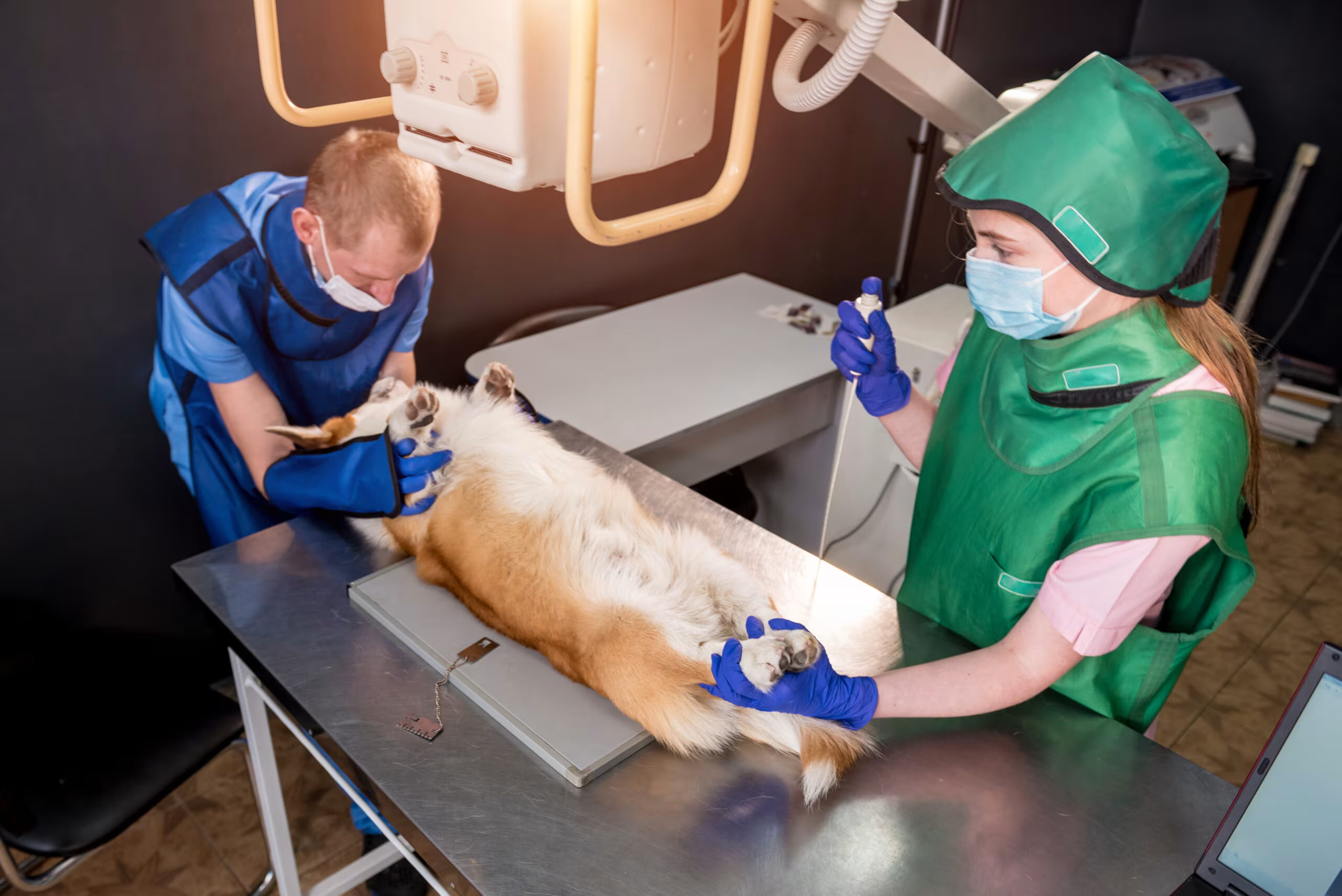 Neurological conditions in pets can arise from congenital issues, injury, disease, or aging. In both dogs and cats, early detection and treatment are crucial for managing these conditions effectively. Below are some common neurological conditions and the surgical treatments available.

