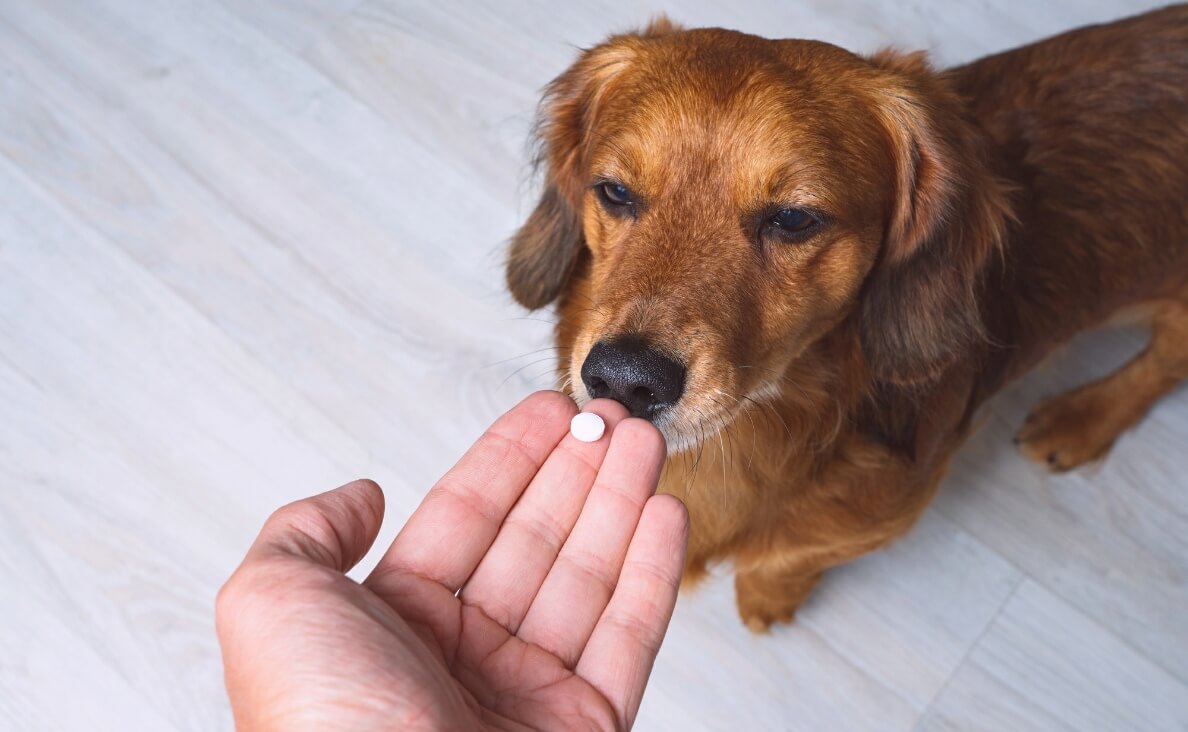
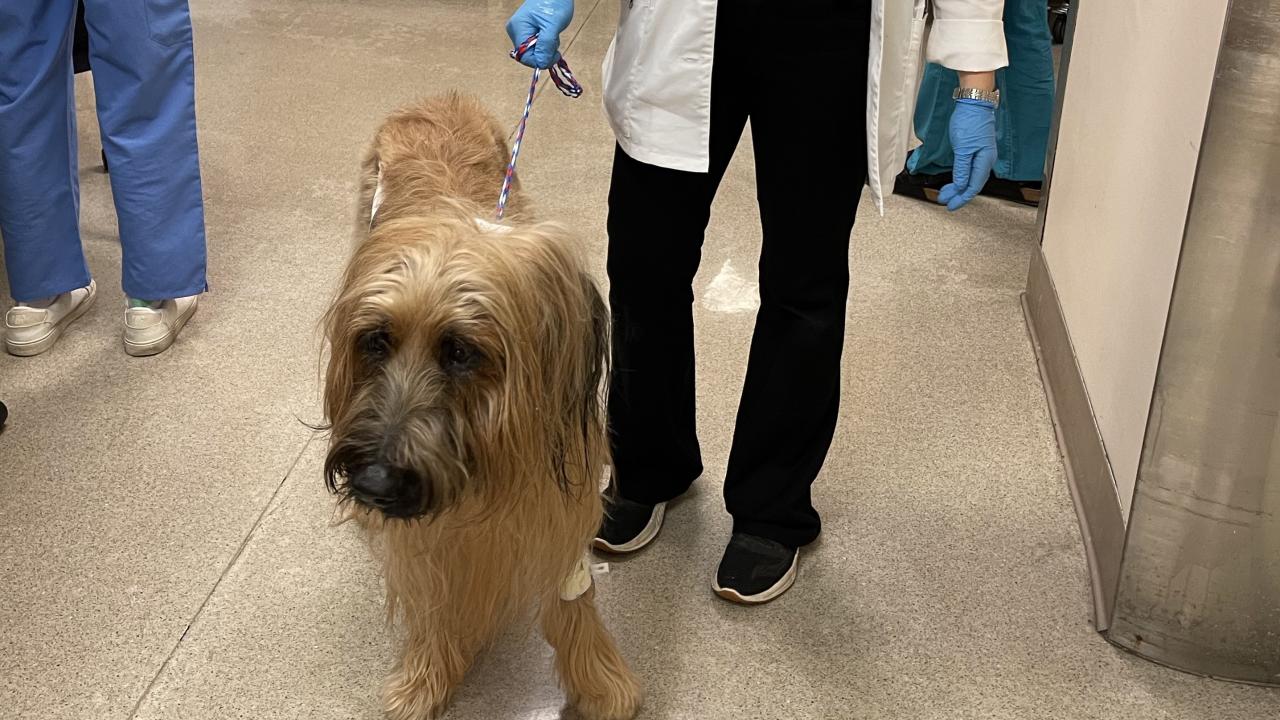
Veterinarians are frequently presented with bladder stones in dogs as one of the most common urinary issues faced by pet owners. When pet owners first learn that their dog has bladder stones, the most common question is: “Do they dissolve?” or “Will surgery be required?” The response to these two questions will ultimately depend upon what type of bladder stone is present in the dog.
Certain types of bladder stones may dissolve with the use of diet and medication, while other types may require surgical intervention to relieve pain, prevent infections, and avoid the potential for life-threatening urinary blockages. Here is the full guide for additional information about the types of bladder stones that dissolve, those that require surgery, and the specific options for treating bladder stones.
What Are Bladder Stones in Pets?
Bladder stones or uroliths are the result of crystallized mineral deposits forming in the urinary bladder. Bladder stones are different from crystal formation because they have been further crystallized into solid masses, usually in the shape of small rocks.
Although both dogs and cats can develop bladder stones, they occur much more frequently in dogs. Factors contributing to the formation of bladder stones include poor diet, heredity, urinary tract infections, inadequate water consumption, and some other medical conditions.
Signs of bladder stones can include blood in urine, straining to urinate, frequent urination, leaking urine in the house, excessive licking of the genital region, and discomfort. Severe cases of bladder stones can block urine flow. This blockage is a medical emergency because when urine cannot flow through the body, urine will build up, and a pet may die. If bladder stones are blocking urine and/or there is severe pain associated with a blockage, you should seek medical attention immediately.
Why Stone Type Determines Treatment
As mentioned previously, not all bladder stones behave the same way. The mineral composition of bladder stones determines if there is a chance of them dissolving when treated with a particular medical approach or if they must be surgically removed.
For example, while some bladder stones will dissolve when treated with a medical diet or certain medications, other bladder stones are incredibly hard and will not respond to diet changes. For these reasons, it is critical to identify the type of bladder stone prior to beginning any treatment plan.
Bladder Stones That May Dissolve
Struvite Bladder Stones
Struvite bladder stones are the most common type of dissolvable bladder stones found in dogs. Struvite stones in dogs usually occur as a result of a urinary tract infection that has raised the pH level of urine. Because of their association with infection, struvite stones can often be dissolved by treating the infection with antibiotics and utilizing:
- A medical diet that is designed specifically to aid in dissolving struvite stones.
- Likewise, treating the urinary infection with antibiotics and using a medical bladder dissolution diet.
- Monitoring the progress of both the medical diet and the urinary infection with periodic medical imaging will help in the treatment of struvite bladder stones.
With absolute compliance to a medical dissolving diet, struvite bladder stones may dissolve within four to twelve weeks after initiating treatment. However, struvite bladder stones can stop dissolving at any time due to even very minor factors such as feeding treats or table scraps.
Struvite bladder stones can occur in cats without being associated with a urinary tract infection, but the majority of cats will also respond to the aforementioned methods for dissolving struvite stones.
The Types of Bladder Stones Requiring Surgical Removal
Calcium Oxalate Bladder Stones
Calcium oxalate bladder stones cannot dissolve; thus, there is no dietary, supplemental, or medicinal treatment to dissolve them once they exist. As such, it is standard practice to surgically remove calcium oxalate bladder stones because of the density and sometimes sharp edges, which can traumatize and irritate the urethra and contribute to recurring blockages.
Certain dog breeds, such as Miniature Schnauzers, Yorkshire Terriers, Shih Tzus, and Bichon Frises, are prone to developing these types of stones. All bladder stones removed surgically are submitted to a laboratory for chemical analysis to assist in future preventive measures.
Silica Bladder Stones
Silica bladder stones are rare and, like calcium oxalate stones, will not dissolve due to diet change. Surgical removal is the most common treatment; silica stones may be formed by environmental or dietary exposure.
Bladder Stones That Could Dissolve Or Not Dissolve:
Urate Stones
Many urate stones occur in Dalmatians and dogs suffering from liver disease. Prescription diets and medications that change the chemical composition of urine will sometimes dissolve urate stones; however, other cases will require surgical intervention to remove them.
Cystine Stones
Cystine stones are due to an inherited metabolic defect affecting the ability to transport amino acids through the kidneys. Cystine stones can diminish in size or be delayed in recurrence with medical treatment. Many dogs and cats with cystine stones eventually require surgical removal.
Indications for Bladder Stone Surgery
Consider bladder stone surgery when:
- The type of stone cannot be dissolved
- The number of stones is too great or too large
- Urinary tract obstruction
- The failure of medical therapy to dissolve the bladder stones
- Signs of pain, bleeding, or an infection continue to occur
In most cases, the surgical removal of bladder stones is a standard procedure within veterinary medicine. Pets typically recover rapidly after this procedure and immediately benefit from the alleviation of discomfort associated with bladder stones.
Non-Surgical Therapies for Bladder Stones
In some situations, bladder stones (that are small enough, if compared with the pet’s weight) can be removed non-surgically. This is based on the number, size, and weight of the bladder stone(s), and the tools available to the veterinary practitioner.
Removal methods that may be considered for certain pets include bladder flushing, endoscopic removal, or laser lithotripsy, where the stones are broken into smaller pieces. Although non-surgical methods are not for every pet, they provide quick recovery times for those that qualify.
Frequency of Bladder Stones in Dogs
Veterinary studies indicate that bladder stones account for a high percentage of urinary tract diseases in dogs. Urolithiasis represents roughly 15% of all urinary tract disorders diagnosed in canines. Recurrent episodes are more common for certain stones, especially calcium oxalate.
Ways to Prevent Bladder Stones in Pets
The best method to prevent bladder stones depends on the type of stone. Most prevention programs include:
A pet’s diagnosed urinary stones may seem frightening; however, veterinary intervention and preventative measures will create a positive outcome. A pet owner should know which types of urinary stones dissolve without surgical intervention.
An appropriate course of action will ensure every pet receives effectively managed urinary tract stones.
By consistently following an approved urinary diet, increasing water intake, testing and treating for urinary tract infections promptly, and not changing/adding supplements or foods outside of a veterinarian’s recommendation. Additionally, for pets that have previously had stones, an owner should monitor their pet long-term for further changes/updates to their urinary diet.
Conclusion
Urinary stones in pets may seem incredibly daunting; however, they are generally treated successfully. Knowing which stones dissolve naturally and which require surgical removal will allow pet owners to better prepare and make more informed decisions.
Pet owners who promptly bring their pets to a veterinarian for a diagnosis, as well as adhere to an effective preventative plan, will generally be able to allow their pets to achieve a comfortable, healthy quality of life.
FAQs
Can a urinary stone dissolve naturally?
No. Urinary stones cannot dissolve without veterinary intervention. Certain types of stones, such as struvite stones, can dissolve; however, this will require veterinary supervision.
How long does it take to dissolve a urinary stone?
Typically, urinary stones take anywhere from 1 to 3 months to fully dissolve; this varies according to the size of the stone and the compliance with the prescribed treatment regimen.
Is surgical removal of a urinary stone a safe procedure?
Surgical removal of a urinary stone is considered a low-risk, highly effective procedure, so long as the pet is otherwise healthy.
Will a urinary stone recur after surgery?
Yes. Certain types of urinary stones have a higher recurrence rate than others. Therefore, it is imperative that preventive measures are taken for such stones.
When is a urinary stone an urgent situation?
If a pet is straining to urinate with little or no urine produced, emergency veterinary care is required immediately.