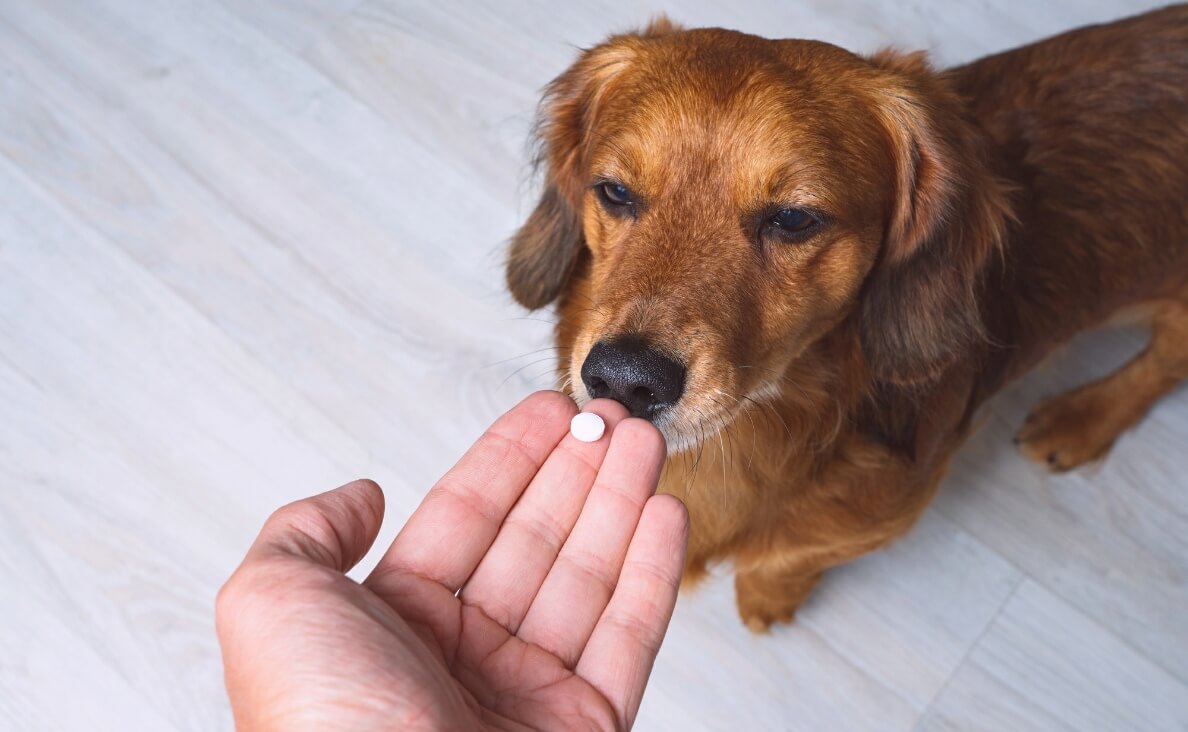
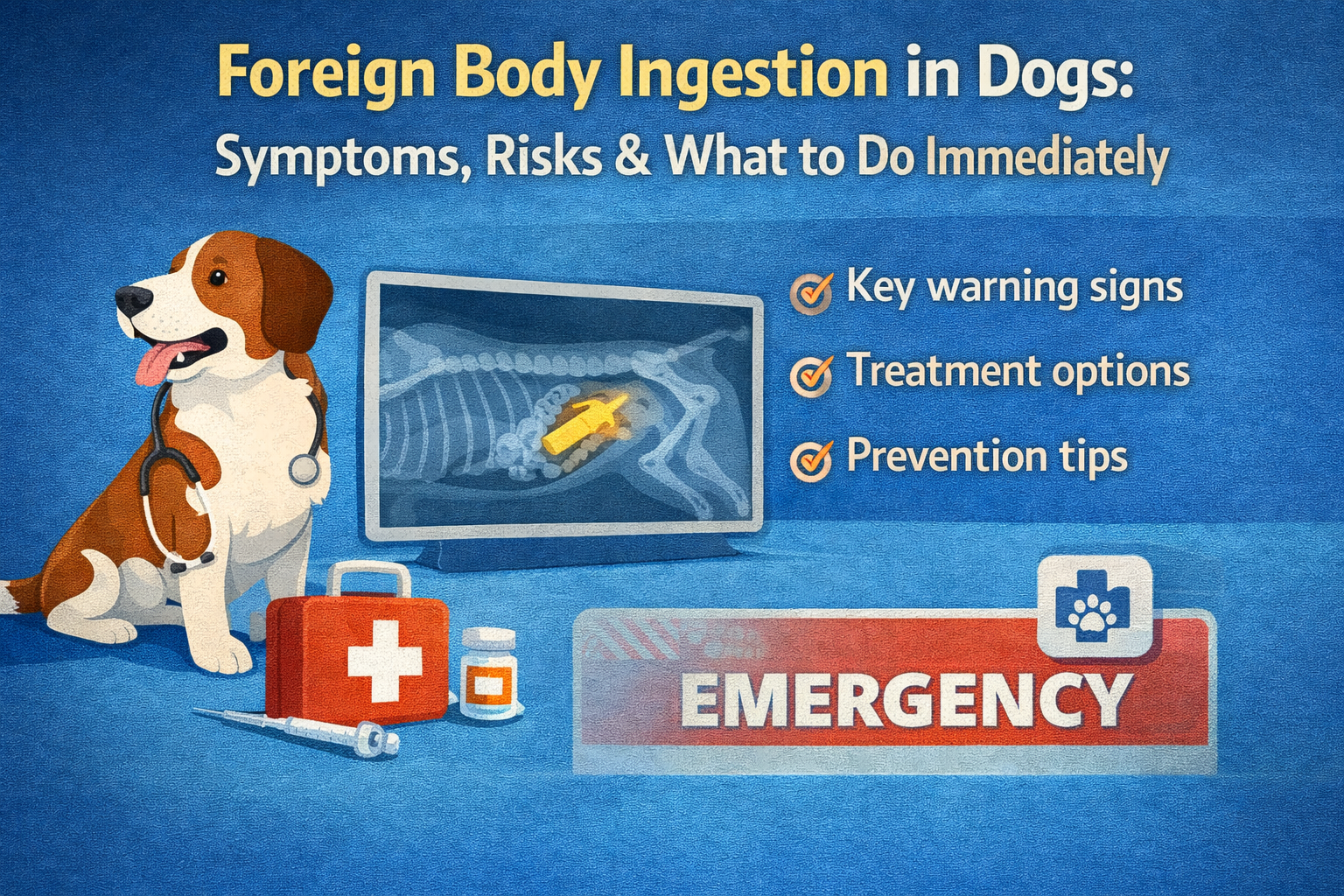
Foreign body ingestion (when a dog ingests non-food and indigestible material) represents one of the most common emergencies encountered in veterinary practices around the world. From naughty puppies that have pinched a sock to inquisitive adults chewing anything from toys to the coal scuttle, foreign materials can lodge at any point in the gastrointestinal system. While in some cases these items may pass through the system without any issues, often they can lead to a gastrointestinal obstruction, which is a condition where food and liquids aren’t able to move through your dog’s stomach or intestines as they should. If not treated promptly, this can lead to dehydration, damage to internal tissue, infection, or worse: potentially life-threatening conditions such as peritonitis or sepsis.
In this blog, we’ll take you through the warning signals to look out for, numerical indicators from vet studies, what practical matters you can do straight away, and how it all compares (from emesis and endoscopic retrieval to surgery). Whether you’re a new dog owner or an experienced pet parent, learning what to look for and how to respond can be the difference between life and death for your dog.
What Is Foreign Body Ingestion?

Foreign body ingestion is when a dog consumes something it can’t digest, for example:
- Socks, clothing, or underwear
- Toys or toy fragments
- Bones or food wrappers
- Rocks, sticks, or corn cobs
- Plastic objects and packaging
These items can become stuck in the oesophagus, stomach, or intestines. Depending on the nature, size, and location of the object, they can either go all the way through or become lodged in an obstruction that’s significant enough to require immediate attention.
Quick Facts & Statistics
- In a study of 261 dogs with FBs, they were located in the stomach and oesophagus in 57.47% and 42.53%, respectively; small breeds were more predisposed to esophageal localisation. PubMed
- In comparison studies of cases of skewer FH in dogs, 79.2% cure rate was achieved by induced emesis, and the success rates gained through endoscopy procedures or surgery (100%) were the same for all reviewed cases.
- There were more than 40,000 emergency pet claims for foreign body ingestion in dog stomachs last year, so it’s something that many households can relate to. Daily Telegraph
Key Symptoms to Watch For

Recognizing symptoms early is vital. Typical signs your dog might have eaten something they shouldn’t include:
- Vomit or dry heaving (with or without food)
- Loss of appetite (anorexia)
- Lethargy or depression
- Abdominal pain or bloating
- Diarrhea or constipation
- Drooling, neck discomfort, or gagging
- Behavioral changes (restlessness or guarding the belly)
Note: A dog may initially have no symptoms, especially if the object is not completely lodged, so it’s not affecting breathing. Check with a veterinarian if you even suspect ingestion, without symptoms, specifically.
Quick Response Table: What to Do Based on Signs

| Scenario | Action | Urgency |
| History of ingestion an recognized object | Call your vet immediately | Immediate |
| Vomiting, letheragy & abdominal pains present | Seek emergency veterinary care | Immediate |
| Puppy is chewing on a non-toxic small object and shows no symptoms | If you continue (closely monitor), call the vet for guidance | Within Hours |
| The dog makes a slight alteration in behaviour after eating something strange | Ask your vet about imaging options | Within Hours |
| Cues are clear, and the pass of the object is quite natural | Confirm with vet follow-up | Within 24-48 Hours |
What Not to Do
DO NOT make a dog vomit at home without contacting a vet—especially if the object is sharp, toxic, or might cause damage when regurgitated back up
How Veterinarians Diagnose Foreign Body Ingestion

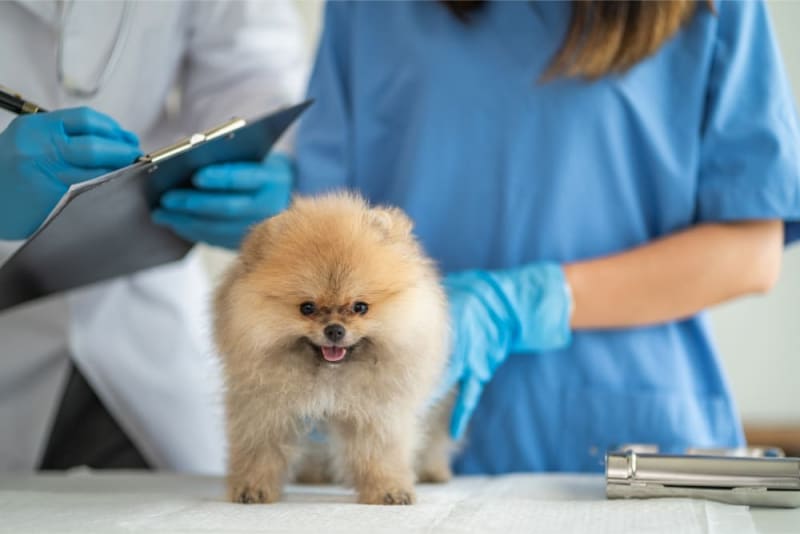
Vets start with a good clinical history and a physical exam. Based on the size of your dog, its breed, and the symptoms that you’ve observed, the diagnostic instruments should include:
- Abdominal X-rays (radiographs)
- Ultrasound imaging
- Blood and urine tests
These help to identify whether an object is present or not, where it’s located in the body, and if it has been accompanied by complications, such as dehydration or infection from obstruction.
“A radiograph can often identify the location and size of an obstruction and gives us the ability to plan for optimal extraction.” — Veterinary Diagnostic Expert
Treatment Options: From Least to Most Invasive

Observation
If the object is really small and smooth, vets may advise you to monitor your dog to see if it passes naturally.
Induced Emesis
If the swallowed object is something recently ingested, and with veterinary guidance, vomiting can be safely induced—particularly helpful when the object has not moved awfully far down the GI tract. In some cases, success in studies is nearly 80%.
Endoscopic Retrieval
This minimally invasive procedure involves a camera and instruments to remove objects from the esophagus or stomach without surgery. Clinical success rates are very high.
Surgical Removal
Articles that have entered and become embedded in the intestines, or given rise to obstruction, are removed by a laparotomy or an enterotomy. This is particularly true with sharp objects, bones, or large items that are unable be removed by any other means.
Risks of Delaying Treatment
- Delayed care can lead to:
- Intestinal perforation
- Severe infection (peritonitis)
- Dehydration and systemic shock
- Death if untreated
Early action significantly enhances cases and decreases the likelihood of critical complications.
Prevention Tips

- Don’t leave small items, clothes, or junk within the capturing area.
- Pick toys that are the right size for your dog’s mouth.
- Monitor play, especially if you have puppies or inquisitive breeds.
- Teach cues such as “leave it” and “drop it.”
- Try crates or gates during riskier times (such as when there is a lot of stuff on the floor).
Conclusion
Foreign body ingestion in a dog’s stomach is a common and potentially life-threatening problem in dogs of all ages and breeds. Being aware of the symptoms, responding promptly when ingestion is suspected, and knowing your treatment options can vastly improve your dog’s chances of a full recovery and proper long-term health. The early veterinary involvement is the magic bullet.
At Pet Care Partners, we are dedicated to helping you keep your pets safe, informed, and healthy. If you suspect your dog ever got their paws on something they shouldn’t have, don’t wait—contact your vet immediately.
FAQs
How can I tell if my dog swallowed something that is dangerous for him?
At times, you may even witness your dog better wolfing down an object, while in other instances, those signs won’t come until later. Classic warning signs are frequent vomiting, loss of appetite (especially in small children who cannot communicate what is ailing them), sleepiness, stomachache, or drooling. If your dog is off after playing with or chewing on some unknown substance, you’d best assume that ingestion is possible and get in touch with your vet.
My dog has eaten something, but is fine. Should I still worry?
Yes. Your dog may appear normal at first, as symptoms can take hours or even days to develop. Some of these irritants move sluggishly through the GI tract and cause symptoms only after they become lodged. Veterinary intervention may prevent complications, and in some cases, surgery is not necessary.
What are the most common things that dogs swallow?
Dogs regularly swallow clothes, socks, panties, parts of toys, bones, candy, or other wrappings from food items and plastic wrap; corn cobs; stones; sticks. Puppies and young dogs, in particular, are very susceptible to accidentally swallowing an object while teething, or due to simple curiosity; however, older anxious or bored dogs can end up swallowing something that they shouldn’t.
Will a swallowed object pass on its own?
In certain instances, small smooth items may immobilize spontaneously. But there’s no foolproof way to make the call at home. The presence of sharp, long or large items frequently leads to blockage and surgery. You should always consult with your veterinarian; waiting can sometimes be the wrong thing to do.
How do I make my dog vomit at home?
Answer No! Causing the dog to vomit without veterinary instruction is potentially dangerous, particularly if the object itself is sharp, large, or already stuck. Some substances, on their return to the mouth, may also cause serious harm. Veterinarians cause vomiting only when it is clinically indicated.