
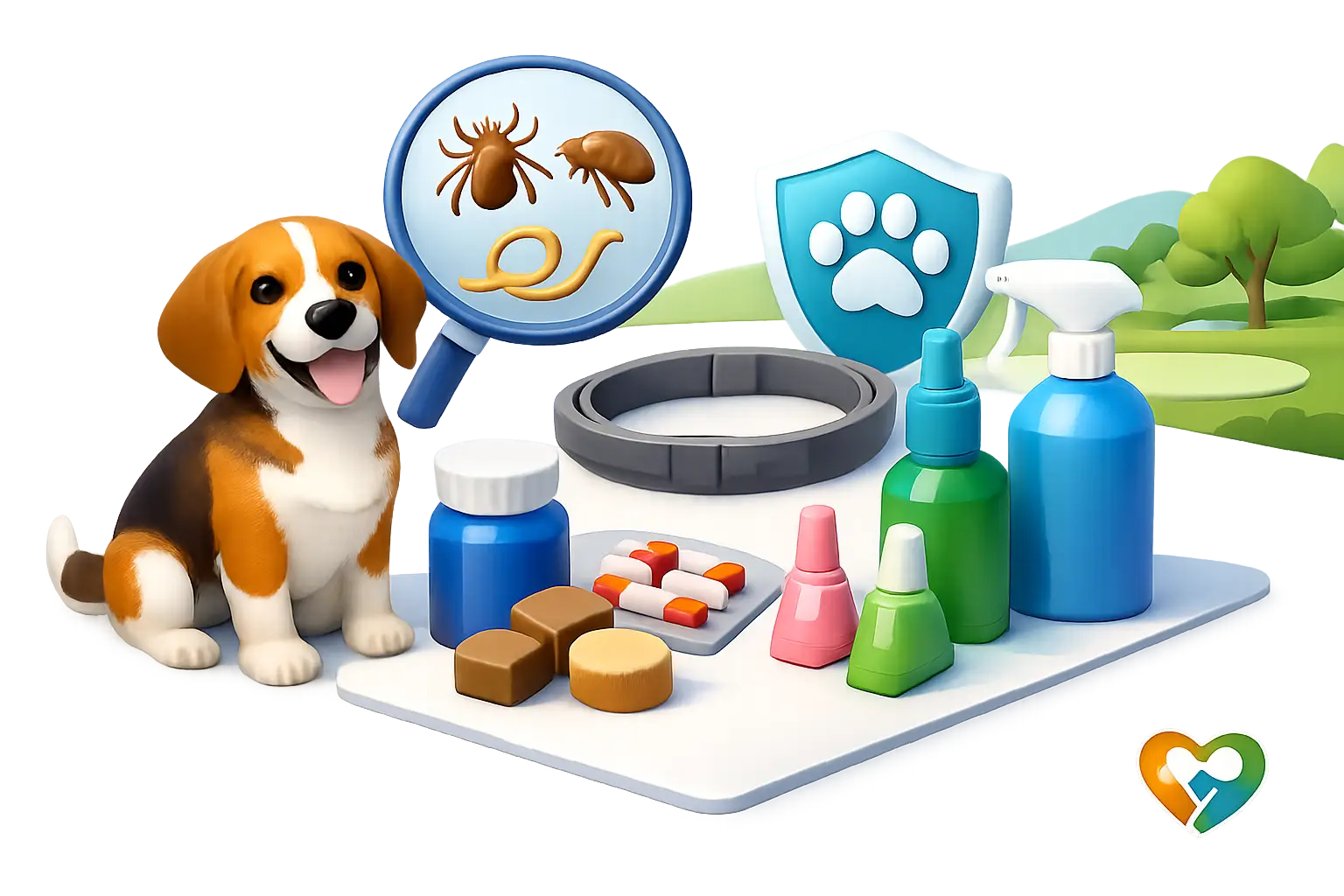
Fleas that never seem to go away, a tick after a weekend hike, or a positive stool test at a routine exam – most parasite problems start small, then turn stressful fast. Understanding your dog parasite prevention options early can save your pet discomfort, protect your household, and often reduce the cost and complexity of treatment later.
Why parasite prevention matters year-round
Many pet owners still think of parasites as a seasonal issue, but in Southern California, that approach can leave dogs exposed. Our climate supports flea activity for much of the year, mosquitoes can spread heartworm disease, and intestinal parasites can affect dogs that rarely leave the backyard. Puppies, seniors, and dogs with underlying health issues are often more vulnerable, but even healthy adult dogs are at risk.
Prevention also matters because parasites are not all equally obvious. Fleas may cause itching, but heartworm infection can progress quietly before signs show up. Intestinal parasites may cause diarrhea or weight loss, yet some dogs carry them with few outward symptoms. A dog that looks fine can still have a problem worth treating.
That is why veterinarians usually recommend a plan built around your dog’s age, lifestyle, health status, and local exposure risk, rather than a one-size-fits-all product.
The main dog parasite prevention options
When people ask about dog parasite prevention options, they are usually asking for the best product. The more useful question is which type of protection fits your dog and your routine. The right answer depends on what parasites you need to prevent and how reliably you can keep up with treatment.
Oral monthly preventives
Chewable preventives are popular because they are convenient and easy for many families to remember. Depending on the product, they may protect against fleas, certain ticks, heartworm disease, and some intestinal parasites. For households with dogs that swim often or get frequent baths, oral medication can be especially appealing because water exposure does not affect performance the way it can with some topical products.
The trade-off is consistency. Missing even one dose can create a gap in protection, especially for fleas and heartworm prevention. Some dogs also have food sensitivities, picky appetites, or medical histories that make one oral option a better fit than another.
Topical treatments
Topical preventives are applied to the skin, usually once a month. Some protect against fleas and ticks, while others may target additional parasites. For owners who struggle to give pills, a topical can be a practical alternative.
Still, topicals are not perfect for every household. Application has to be done correctly, and some families find it harder to keep children or other pets away from the treated area until it dries. Dogs with skin disease may also need a different plan. If your dog is groomed frequently or bathed often, your veterinarian may want to discuss whether a topical is still the best choice.
Flea and tick collars
Modern flea and tick collars can offer longer-lasting protection than many people expect, sometimes for several months. They can be a useful option for owners who want fewer reminders and less frequent dosing.
But a collar needs to fit properly and stay on consistently to work well. Some dogs do not tolerate collars, and some owners prefer not to use them in homes with rough play, grooming needs, or young children handling the pet often. They can be effective, but they are not automatically the best fit just because they last longer.
Heartworm prevention
Heartworm prevention deserves its own category because heartworm disease is serious, expensive to treat, and in many cases preventable. Mosquitoes transmit heartworms, so even indoor dogs are not fully protected just because they spend most of their time inside. Monthly oral or topical preventives are common, and some injectable options may be appropriate in certain cases.
One important point is that heartworm prevention is not a substitute for testing. Dogs should still be screened as recommended by a veterinarian, especially if doses have been missed or a prevention plan is changing.
Deworming and intestinal parasite control
Roundworms, hookworms, whipworms, and tapeworms are common concerns, and prevention may involve a combination of routine fecal testing, broad-spectrum preventives, and targeted deworming when needed. Puppies often need a more structured deworming schedule because they are at higher risk and may pick up parasites from their mother or environment.
This is where a lot of confusion happens. Not every product covers every intestinal parasite, and treatment is not always the same as prevention. A dog may need both ongoing prevention and specific medication if a fecal test identifies an active infection.
How veterinarians choose the right prevention plan
A good parasite plan starts with your dog’s real life, not just the product label. A dog that hikes local trails, visits dog parks, and boards occasionally has a different risk profile than a mostly indoor senior dog. A puppy in training classes may need broader intestinal parasite monitoring. A dog with allergies or a history of seizures may need more careful product selection.
Your veterinarian will usually consider a few things at once: age, weight, breed considerations, underlying conditions, current medications, travel habits, exposure to other animals, and whether anyone in the home is immunocompromised or very young. Some intestinal parasites can affect people, so protecting your dog also helps protect your family.
Cost matters too, and that should be part of the conversation. The most expensive option is not always the best one. What matters is finding a preventive plan you can actually maintain month after month. Affordable protection that is used consistently is usually safer than a premium product that gets skipped.
Dog parasite prevention options by lifestyle
For many families, the clearest way to think about dog parasite prevention options is by daily routine.
A backyard dog still needs protection because fleas, mosquitoes, and contaminated soil do not respect fences. An active dog that hikes, camps, or visits grassy areas may need stronger tick coverage. Dogs that go to daycare, boarding, grooming, or dog parks have more exposure to fleas and intestinal parasites through shared spaces and contact with other pets.
Puppies need especially close attention. Their immune systems are immature, and intestinal parasites are common. Seniors may also benefit from individualized plans, particularly if they have organ disease, take several medications, or have sensitive skin or digestion.
Multi-pet households need a household strategy, not just treatment for one dog. If one pet has fleas, every pet in the home may need attention, and the environment may need treatment too. Otherwise, the cycle tends to continue.
Common mistakes that lead to parasite problems
Most prevention failures are not dramatic. They are small gaps that add up. A dose gets delayed. A product meant for one parasite is assumed to cover all of them. A dog stops medication in cooler months even though local risk remains. A visible problem clears up, and the prevention plan is dropped too soon.
Another common issue is relying on over-the-counter advice from friends, social media, or product packaging without a veterinary exam. Some products are excellent, but they are not interchangeable. Age limits, weight ranges, medical contraindications, and regional parasite patterns all matter.
Testing is another step owners sometimes skip. Fecal exams and heartworm tests are not signs that prevention failed. They are part of good preventive care because no product is perfect, and dogs can still be exposed in ways owners do not notice.
When to call your veterinarian
If your dog is scratching constantly, has hair loss, scoots, vomits, has diarrhea, loses weight, seems unusually tired, or you find fleas, ticks, or worms, it is time to schedule an exam. The same is true if you missed doses and are not sure how to restart safely. Waiting can make treatment more complicated, especially with heartworm risk or severe flea infestations.
A veterinary visit helps sort out what you are actually dealing with, because different parasites can cause similar signs. It also helps avoid wasting money on products that may not address the real issue. At Pet Care Partners, parasite prevention is part of a bigger picture of accessible, dependable care, so families can get support for routine prevention as well as prompt help when a concern cannot wait.
The best prevention plan is the one that fits your dog, your budget, and your routine well enough to stick. If you are not sure which option makes sense, that is a good reason to ask. A short conversation now can spare your dog a lot of discomfort later.