One day your dog is chewing on a toy, stealing a sock, or licking the floor for crumbs. A few hours later, they are vomiting, refusing food, or acting painfully restless. Foreign object surgery in dogs often starts this way – with a normal day that suddenly is not normal at all.
When a dog swallows something that cannot pass safely through the stomach or intestines, it can become a true emergency. The right treatment depends on what was swallowed, where it is lodged, how long it has been there, and how sick your dog has become. Some dogs can be treated without surgery. Others need prompt surgery to prevent severe intestinal damage, infection, or loss of blood flow to the bowel.
When foreign object surgery in dogs becomes necessary
Dogs are curious, fast, and not always selective about what they put in their mouths. Common swallowed items include socks, underwear, corn cobs, rawhide, bones, string, toy parts, rocks, hair ties, and pieces of plastic. Some objects sit in the stomach and cause irritation or vomiting. Others move into the intestines and create a blockage.
Surgery is usually recommended when the object cannot pass on its own, cannot be removed safely another way, or has already caused an obstruction or damage to the digestive tract. In some cases, a veterinarian may remove an item by inducing vomiting or by endoscopy if it is still in the stomach and the timing is right. But once an object has moved farther along, especially into the intestines, surgery becomes much more likely.
Linear foreign bodies deserve special attention. These are items like string, ribbon, thread, or fabric strips. They can saw through the intestines as the bowel tries to move normally. That makes them more dangerous than many pet owners realize, even if the dog seems only mildly ill at first.
Signs your dog may have swallowed something dangerous
The most common early signs are repeated vomiting, loss of appetite, lethargy, abdominal pain, and straining to defecate or producing very little stool. Some dogs drool, pace, hunch over, or seem unusually quiet. Others still try to act normal, especially in the beginning.
A partial blockage can be tricky because symptoms may come and go. Your dog may vomit, seem better for a while, then worsen again. That pattern can delay care, which is one reason foreign body cases sometimes become more serious than expected.
If your dog has swallowed a sharp object, string, batteries, magnets, or anything large enough to obstruct the gut, it is safest to call a veterinary team right away. The same is true if vomiting continues, the belly looks swollen, or your dog seems weak or painful.
How veterinarians diagnose a blockage
Diagnosis usually starts with a physical exam, a discussion of symptoms, and any known history of swallowing something unusual. If you saw your dog eat the item, tell the veterinary team exactly what it was, about how big it was, and when it happened. Even small details can shape the treatment plan.
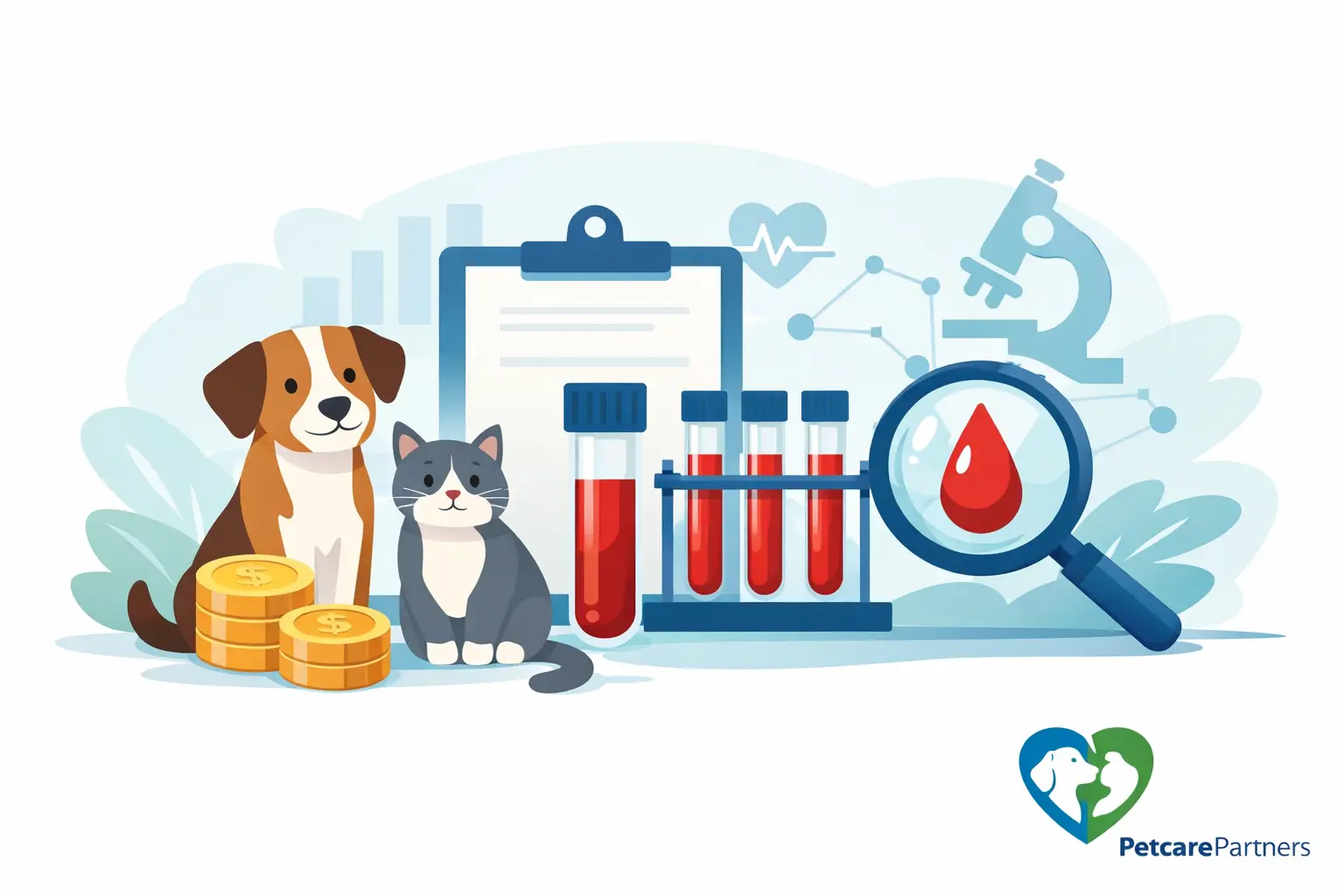
X-rays are often the first imaging step. Some objects show up clearly, while others do not. Even when the object itself is hard to see, X-rays may reveal gas patterns or stomach and intestinal changes that suggest an obstruction. Bloodwork is also important because it helps assess hydration, electrolyte balance, organ function, and whether infection or shock may be developing.
In some cases, ultrasound provides a clearer picture of what is happening inside the abdomen. It can help locate the object, assess bowel movement, and identify fluid or tissue injury. If your dog is vomiting repeatedly or appears unstable, treatment may start immediately with IV fluids, pain control, and anti-nausea support while the team completes diagnostics.
What happens during foreign object surgery in dogs
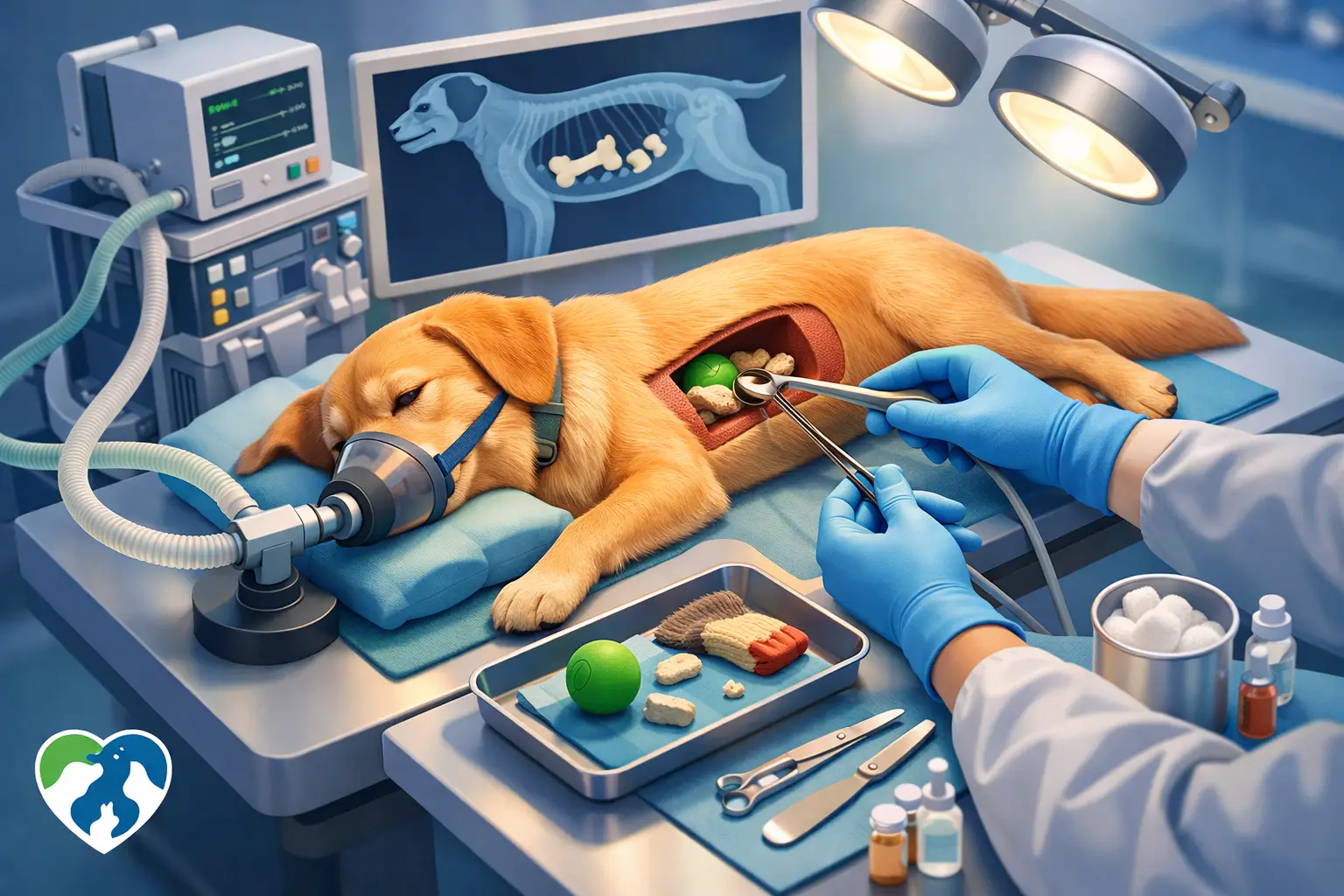
The exact procedure depends on where the object is and how much damage it has caused. If the item is still in the stomach, the surgeon may perform a gastrotomy, which means making an incision into the stomach to remove it. If it is lodged in the intestines, the surgeon may need an enterotomy, which is an incision into the intestine.
Sometimes the bowel has been blocked long enough that part of the intestine has lost healthy blood supply or has already torn. In those cases, the damaged section may need to be removed and the healthy ends reconnected. This is called an intestinal resection and anastomosis. It is a more involved surgery and usually means closer monitoring after the procedure.
Before surgery, your dog will typically receive IV fluids and medications to stabilize them. During surgery, they are placed under general anesthesia and monitored closely. Modern monitoring equipment helps the veterinary team track heart rate, breathing, blood pressure, oxygen levels, and temperature throughout the procedure.
For many families, this is the hardest part – waiting while their dog is in surgery and hoping the damage is limited. It helps to know that timing matters. Dogs treated earlier often have smoother procedures and better recoveries than dogs who have been blocked for a longer period.
Risks, cost factors, and why timing matters
Any surgery carries risk, and foreign body surgery is no exception. The biggest concerns include infection, leakage from the stomach or intestinal incision, anesthesia complications, delayed healing, and continued digestive upset after surgery. Risk rises when the object has been present for a long time or when intestinal tissue is already badly damaged.
Cost can also vary quite a bit. The final price depends on the exam, imaging, bloodwork, anesthesia, surgical complexity, hospitalization length, medications, and aftercare needs. A straightforward stomach foreign body is often less complicated than a severe intestinal blockage requiring tissue removal and extended monitoring.
This is one reason early evaluation matters so much. Waiting to see if things improve can sometimes turn a manageable case into a more serious and more expensive emergency. For cost-conscious families, prompt care may actually reduce the total medical burden by preventing complications.
Recovery after surgery
Most dogs need a period of hospitalization after surgery so the team can watch for pain, vomiting, appetite changes, incision problems, or signs that the digestive tract is not healing normally. Some dogs go home within a day or two. Others need longer support, especially after intestinal surgery or if they were very sick before treatment.
Once home, recovery usually includes strict activity restriction, prescribed medications, incision monitoring, and a temporary bland or prescription diet. Your dog may be tired for several days, and appetite may return gradually. That can be normal, but your veterinary team will tell you what to watch for based on your dog’s procedure.
Call your veterinarian promptly if your dog vomits repeatedly after coming home, refuses food for longer than instructed, becomes unusually lethargic, has diarrhea that worsens, strains painfully, or if the incision becomes swollen, red, or starts to drain. Healing is rarely a straight line for every dog, so follow-up care matters.
If your dog needs ongoing support after surgery, a connected care network can make a real difference. For families who want access to urgent care, surgery, diagnostics, and follow-up support without bouncing between unrelated providers, Pet Care Partners can help coordinate that care through its Southern California hospitals and specialty services.
Can foreign object surgery in dogs be prevented?
Not every case is preventable, but many are. Prevention starts with knowing your dog’s habits. Some dogs shred toys. Some target laundry. Some eat anything that smells like food. Puppies and high-energy dogs are especially prone to trouble, but older dogs can be repeat offenders too.
Choose toys that match your dog’s size and chewing style. Pick up socks, underwear, hair ties, and children’s toys. Keep trash secured. Supervise chew time, especially with treats that soften, splinter, or break into swallowable chunks. If your dog has a history of eating non-food items, bring that up during routine veterinary visits. Sometimes management changes at home are enough. In other cases, behavior support is worth discussing.
The main thing to remember is that vomiting is not always just an upset stomach. When a dog who loves to chew suddenly cannot keep food down, acts painful, or stops eating, a blockage has to be on the list. Fast action can protect the intestines, shorten recovery, and give your dog the best chance at a smooth return to normal life.
If you think your dog swallowed something they should not have, trust your instincts and get them checked sooner rather than later. A quick exam can bring peace of mind, and when surgery is needed, early care gives your dog the strongest path forward.