A limp that suddenly gets worse at 7 p.m. A cat who has been vomiting since lunch. A dog that swallowed something from the trash. In those stressful moments, the question is usually the same: urgent care vs emergency vet – where should you go right now?
The answer depends on how serious the problem is, how quickly it is getting worse, and whether your pet may need intensive monitoring, surgery, or life-saving support. Knowing the difference can help you act faster, avoid delays, and get your dog or cat to the right level of care the first time.
Urgent care vs emergency vet: what is the difference?
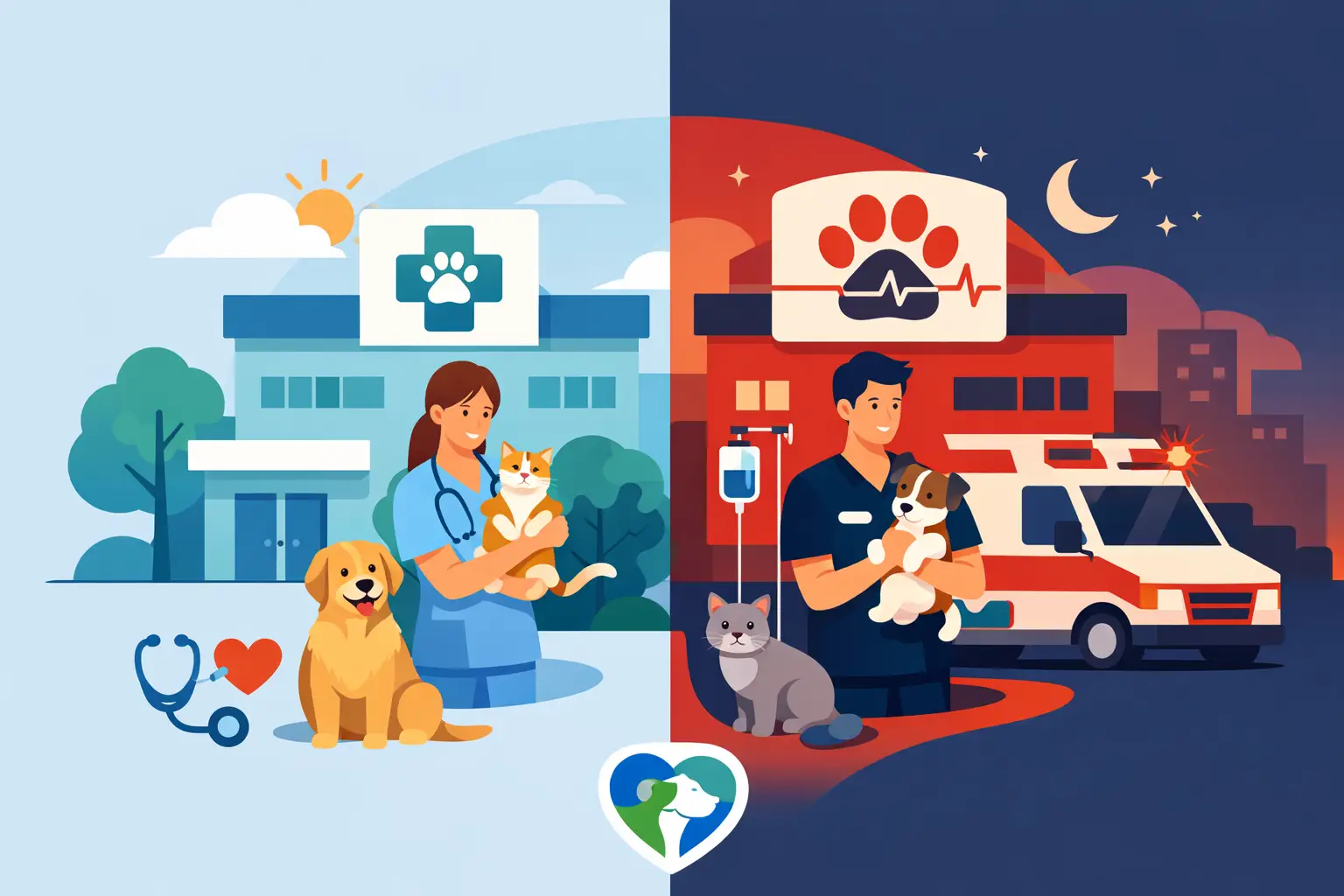
Urgent care is for medical problems that need prompt attention but are not immediately life-threatening. These are issues that should not wait several days for a routine appointment, yet your pet is still stable enough to be evaluated without full emergency-level intervention.
An emergency vet is equipped for critical, potentially life-threatening situations. Emergency hospitals are designed to manage severe trauma, breathing problems, collapse, uncontrolled bleeding, poisoning with serious symptoms, seizures, and other conditions that may require oxygen support, surgery, advanced monitoring, or overnight hospitalization.
The distinction matters because not every urgent problem is an emergency, but some symptoms can become dangerous faster than pet owners expect. A pet who seems only mildly uncomfortable can decline quickly if the underlying cause is serious.
When urgent pet care is usually the right choice
Urgent care often makes sense when your pet is uncomfortable, clearly not acting normal, or needs same-day attention, but is still alert and stable. That can include vomiting or diarrhea without severe weakness, limping, ear infections, skin issues, minor wounds, coughing, eye irritation, urinary discomfort, or eating something questionable when your pet is not yet showing severe distress.
For example, a dog with a torn nail, a cat with a painful ear infection, or a puppy with mild stomach upset may all need prompt treatment, but not necessarily a full emergency hospital. Urgent care can also be a practical option for flare-ups of chronic issues, such as allergies, arthritis pain, or mild digestive trouble that suddenly worsens after hours or on a weekend.
This setting can be especially helpful for families trying to balance time, cost, and access. If your pet needs care soon but does not appear to be in immediate danger, urgent care may provide the right level of treatment without the intensity of an emergency visit.
Signs your pet may be stable enough for urgent care
A pet may be appropriate for urgent care if they are awake, responsive, breathing normally, and able to walk or at least remain alert. Symptoms such as repeated vomiting, diarrhea, limping, discomfort when urinating, minor bite wounds, mild allergic reactions, or sudden skin irritation often fall into this category.
That said, there is always some gray area. A dog that vomits twice and still wants to interact may be urgent care. A dog that vomits twice, then becomes weak, bloated, or unresponsive is no longer in the same category.
When to go straight to an emergency vet
If your pet is struggling to breathe, collapses, has a seizure, experiences major trauma, or cannot wake up normally, skip urgent care and go directly to an emergency vet. These cases need immediate stabilization and advanced support.
Other emergency warning signs include a swollen or hard abdomen, pale or blue gums, heavy bleeding, heatstroke, severe pain, repeated nonproductive retching, suspected poisoning, inability to urinate, severe dehydration, sudden paralysis, or labor complications. Eye injuries can also be emergencies, especially if the eye is bulging, bleeding, or suddenly closed with intense pain.
One of the biggest mistakes pet owners make is waiting too long because they hope the issue will pass. With conditions like bloat, toxin exposure, urinary blockage, internal bleeding, or respiratory distress, even a short delay can change the outcome.
Symptoms that should never wait
Some symptoms deserve emergency attention even if they started recently and your pet looked normal earlier in the day. Trouble breathing is one. Collapse is another. So is any suspected toxin ingestion, especially chocolate, xylitol, medications, rodenticides, grapes and raisins, or unknown substances.
For cats, repeated trips to the litter box with little or no urine can signal a urinary blockage, which is a true emergency. For dogs, a distended belly with pacing, drooling, or unsuccessful attempts to vomit can point to gastric dilatation-volvulus, commonly called bloat.
Cost, wait time, and level of care
Many pet owners also think about cost when comparing urgent care vs emergency vet, and that is reasonable. Emergency hospitals generally cost more because they are staffed and equipped for critical cases, intensive monitoring, and advanced interventions. If your pet needs hospitalization, emergency surgery, oxygen therapy, or around-the-clock care, the bill can rise quickly.
Urgent care is often more affordable for non-life-threatening issues because the visit is focused on prompt diagnosis and treatment without the overhead of full critical care. That does not mean urgent care is the cheaper choice in every situation. If a pet really needs emergency support, going to urgent care first may create delays and extra costs before transfer.
Wait times also vary. Emergency hospitals triage by severity, which means the sickest pets are seen first. If your pet has a less severe condition, you may wait longer there than at an urgent care clinic. That can be frustrating, but it is a sign that the hospital is prioritizing true emergencies.
How to decide in the moment
Start with three questions. Is my pet breathing normally? Is my pet alert and responsive? Is the condition getting worse quickly or causing extreme pain?
If the answer to any of those raises concern, call right away and describe the symptoms. A veterinary team can help you determine whether urgent care is appropriate or whether your pet needs emergency treatment now. Be specific. Say how long the symptoms have been happening, whether your pet can stand, whether they are eating or drinking, and whether there may have been trauma or toxin exposure.
Photos and short videos can help in some cases, especially for limping, coughing, odd movements, or episodes that come and go. But they should never replace immediate care if your pet is in visible distress.
If you are still unsure, lean toward caution
Pet emergencies are emotional, and it is easy to second-guess yourself. Some owners worry about overreacting. Others fear the cost and try to watch and wait. Both responses are understandable. But if your pet seems significantly abnormal, more painful than usual, or rapidly worse, caution is the safer choice.
A brief phone call can provide direction. Clinics that offer both urgent and higher-level support can be especially helpful because they understand how quickly a case can shift from moderate concern to true emergency.
Why continuity of care matters
One advantage of working with a connected veterinary network is that your pet’s care does not have to feel fragmented. If your dog starts in urgent care and needs imaging, surgery, rehabilitation, or follow-up monitoring, a coordinated team can make the next steps less stressful.
That matters for both medical outcomes and peace of mind. Pet Care Partners serves families across Southern California who want affordable care without sacrificing access to diagnostics, treatment, and ongoing support. When your pet is hurt or suddenly sick, clarity matters just as much as speed.
A simple rule to remember
Urgent care is for problems that should be seen soon. Emergency care is for problems that may threaten life, breathing, mobility, or organ function right now.
If your pet is stable but clearly unwell, urgent care may be the right place. If your pet is in severe distress, collapsing, bleeding heavily, unable to breathe normally, or showing signs of poisoning or trauma, go to an emergency vet immediately.
When you are scared, you do not need a perfect diagnosis before you act. You just need to recognize that your pet is not okay and reach out for help. That quick decision can make all the difference.