
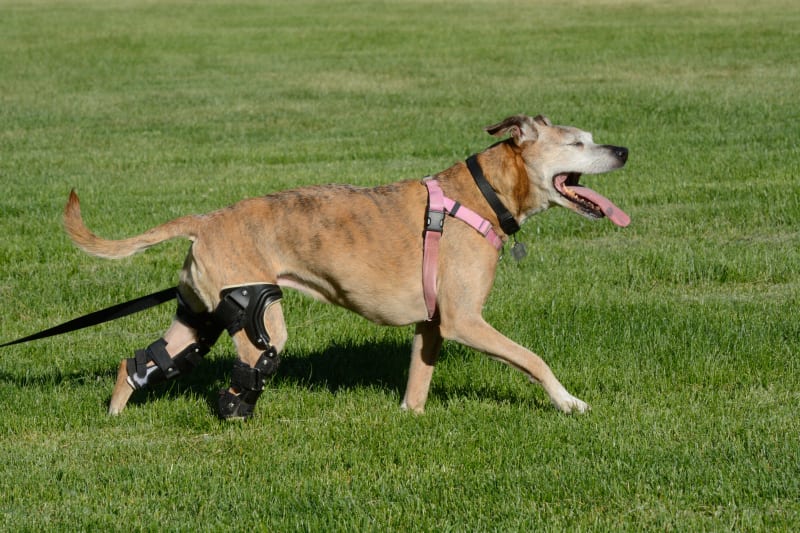
Can My Dog Heal From A Fully Torn CCL Without Surgery? – The canine cranial cruciate ligament, or CCL, is comparable to the anterior cruciate ligament (ACL) in humans; it’s a particularly strong ligament in the stifle that stabilizes the leg while your dog walks, runs, or jumps. Upon rupture, the tibia will slide forward, causing pain and wobbliness in your dog’s knee. You might see your dog limping, holding its leg up, or having trouble getting up after lying down. CCL tears are among the most common orthopedic injuries seen in dogs. According to the American College of Veterinary Surgeons, CCL injuries make up approximately 85% of the knee injuries in dogs. CCL tears can happen suddenly – playing fetch – or the injury can develop slowly over time as the ligament degenerates.
What Does a Complete CCL Tear Mean?
A complete tear means the CCL has completely ruptured. This results in a knee with little to no stability. Each step causes the joint to slide out of place. This will create instability in the joint, causing inflammation, pain, and ultimately arthritis. The body does not heal the CCL. It may heal with scar tissue that may assist to some degree, but it does not work the same as a normal CCL structure.
Can a Dog Recover Without Surgery?
The short answer is, some can recover, but most cannot fully heal.
Smaller dogs, older pets, or minimally active dogs will sometimes do quite well without surgery. Since they are lighter weight, there is less weight on the joint, and they may adjust by developing the surrounding muscles around the knee. But medium or large dogs – or active breeds that run and jump – the knee does not stabilize on its own. Without repair, these dogs often live in pain or develop arthritis more quickly.
What Conservative Management Looks Like
If surgery is not possible – financially, medically, or age-wise – then your veterinarian might recommend conservative management. It is important to note that the goal is not to repair the ligament but rather to make your dog as comfortable and mobile as possible. This is what this normally looks like:
- Strict Rest
For 6-8 weeks or more, your dog needs to rest. This means no running, no stairs, no rough play. Controlled leash walks only for bathroom breaks.
- Weight management
Every pound makes a difference in recuperation, and keeping your pup lean will greatly help comfort and joint health.
- Pain and anti-inflammatory medication
Most vets will prescribe NSAIDs to help with the pain and swelling. Some people may also add joint supplements, like glucosamine or omega-3s, to promote joint health.
- Physical Therapy
Once the pain starts to settle, light exercises or hydrotherapy can help rebuild some strength in the muscle groups supporting the joint. Think of it as rehab for your dog’s knee.
- Knee Braces
A decent quality knee brace can provide some outside support and assist in scar tissue formation, especially in smaller dogs or mild cases. This will not repair the torn CCL, but can allow your dog to walk and generally live more comfortably- especially if they are calm, light, and patient while healing.
What Does the Research Say?
There have been studies looking to highlight differences between surgical and non-surgical outcomes. A recent large-scale study performed at the Royal Veterinary College, London, found that surgery reduced long-term lameness in dogs by about 32% and helped reduce pain medication in dogs compared to conservative management.
A systematic review of the evidence in the Veterinary Evidence Journal found that around 85% of small dogs did well over a few years without surgery, and 19% of large dogs had a good outcome with conservative management.
According to the AVMA, surgical procedures like TPLO or TTA achieve better stability and slow down the progression of arthritis than non-surgical management techniques.
Although some dogs can recover without surgery, most of the time, dogs that are bigger or more active recover faster, have more mobility, and have more time without pain after surgical repair.
Supporting Dog Recovery (Either Way)
Regardless of whether you pursue surgery or conservative care options, here’s how to help the healing process:
- Keep your dog at an ideal weight to help facilitate better knee health. This has the largest impact on knee health.
- Stay with lower-impact activities. Gentle walks and swimming are good for building strength in a safer, low-stress way.
- Avoid slippery surfaces. Use rugs or mats for traction.
- Follow any rehab exercises prescribed by your vet.
- Be patient. Full recovery usually takes several months, with slow and steady recovery dictating the outcome.
Conclusion
So, can your dog heal naturally from a completely torn CCL? Possibly, depending on your dog.
If the dog is small, calm, or old, and you’re able/willing to commit to many rest days, then managing without surgery may be sufficient. But if the dog is larger, younger, and has a lot of energy, then surgery will often be the best course of action for stabilizing and also preventing arthritis. Think about it this way: conservative care is are way to help the body cope; surgery is a way to help FIX the problem. Also, have an open conversation with your vet about your dog’s size, age, and activity. Be honest with yourself regarding the potential for your dog to make a full recovery at home.
Regardless of which route you take, with love, patience, and appropriate management, your dog can still lead a happy, active, pain-free, wonderful life.
FAQs
Will my dog’s torn CCL heal on its own?
Not completely! Muscle strength and scar tissue can assist in recovery, but the ligament will not heal and grow back.
How long will it take without surgery?
About 3-6 months of rest, rehab, and careful monitoring. Improvement will occur gradually over time.
Will my dog be in pain forever?
Not necessarily! With excellent pain management, therapy, and weight control, many dogs can live comfortably and active lives. They may always have some stiffness.
Is surgery safe for older dogs?
In the majority of cases, yes. The exception is if your dog has concurrent health issues that will make surgery with anesthesia too risky, your veterinarian may suggest conservative care instead.
Can both knees tear?
Sadly yes. Approximately 50% of dogs that have torn one CCL will injure the other knee after disregarding weight management and instability.