A yearly exam can feel easy to postpone when your dog is still racing to the door for walks or your cat is acting perfectly normal at home. The problem is that many health issues stay quiet for a long time. If you are searching for pet wellness exams near Palmdale, it usually means you want reassurance, answers, and a practical plan to keep your pet healthy without waiting for something to go wrong.
A wellness exam is not just a quick once-over. It is one of the most useful tools in veterinary medicine because it helps catch changes early, before they become more serious, more expensive, or harder to treat. For puppies and kittens, these visits build a strong foundation. For adult pets, they help maintain good health. For seniors, they often reveal subtle changes that families may not notice day to day.
Why pet wellness exams near Palmdale matter
Dogs and cats are very good at hiding discomfort. That is especially true for cats, but many dogs do it too. A pet can still be eating, sleeping, and playing while developing dental disease, early arthritis, skin irritation, weight gain, heart changes, or lab abnormalities.
That is why routine exams matter even when your pet seems fine. A veterinarian is looking for the small shifts that tell a bigger story. Mild tartar today can become painful dental disease later. A slight increase in weight can turn into joint strain or diabetes risk. A new lump may be harmless, but it should not be guessed at from home.
For families balancing work, school, and household expenses, preventive care is often the more manageable path. Treating advanced illness is usually more stressful and more costly than identifying concerns early and making a plan.
What happens during a pet wellness exam
Most wellness visits begin with a conversation. This part is more valuable than many owners realize. Your veterinary team will ask about appetite, water intake, bathroom habits, mobility, behavior, medications, parasite prevention, and any recent changes at home. Even something that feels minor, like slower stair climbing or extra scratching, can help shape the exam.
From there, your pet receives a nose-to-tail physical exam. The veterinarian checks body condition and weight, eyes and ears, skin and coat, teeth and gums, heart and lungs, abdomen, joints, paws, and lymph nodes. They also look for signs of pain, inflammation, infection, or masses that need monitoring.
If your pet is due for vaccines, parasite screening, or lab work, those may be recommended during the same visit. Not every pet needs the exact same plan. Age, lifestyle, medical history, and risk factors all matter. An indoor cat has different needs than a dog who hikes regularly or visits dog parks. A senior pet with a chronic condition may need more frequent monitoring than a healthy young adult.
What your veterinarian may recommend
A good wellness exam is tailored, not one-size-fits-all. That means recommendations can vary.
Vaccinations are often part of preventive care, but timing depends on your pet’s age and vaccine history. Parasite prevention may include protection against fleas, ticks, heartworms, or intestinal parasites depending on exposure risk. Fecal testing may be advised even for pets that look healthy because some parasites are not obvious at home.
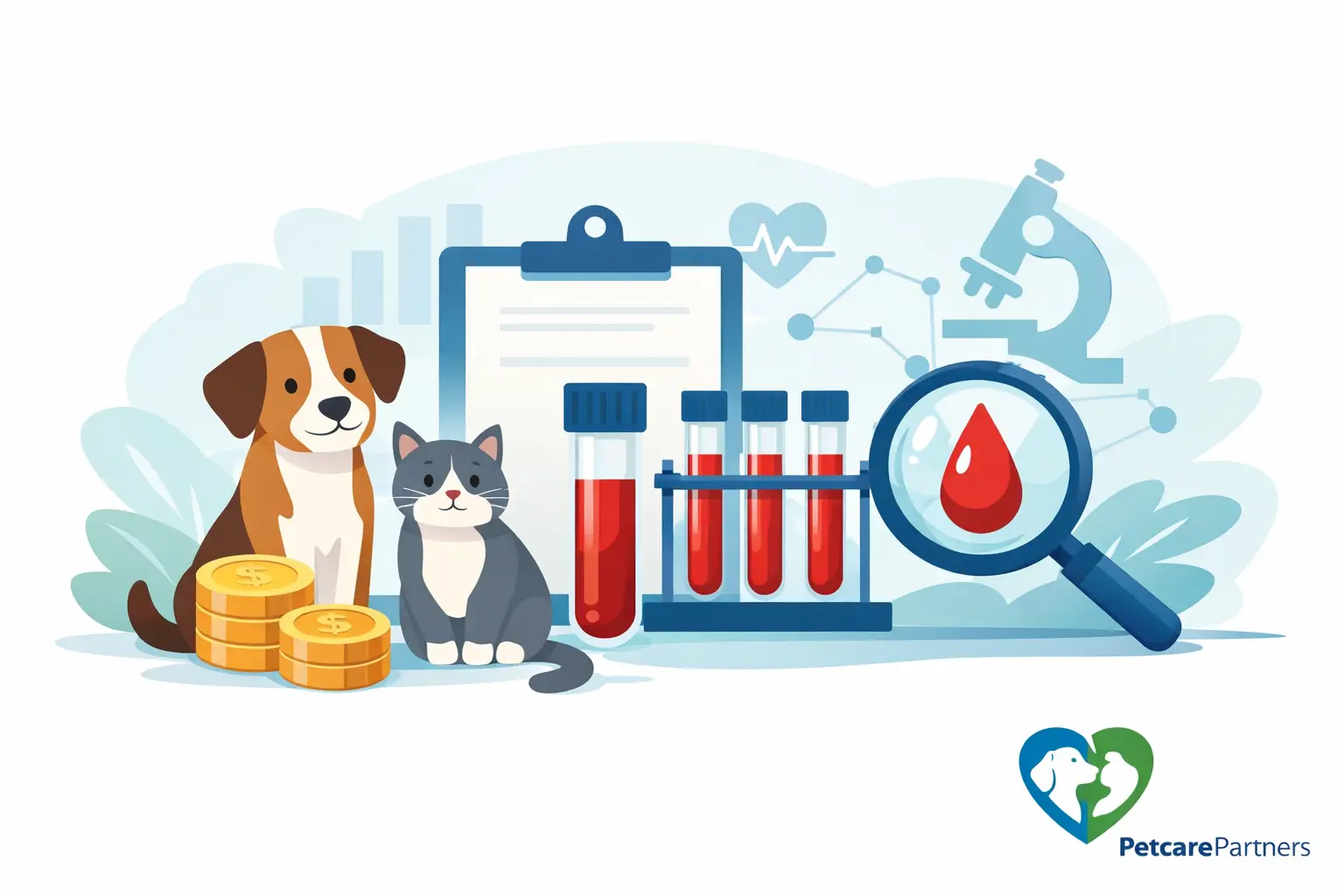
Bloodwork is another common recommendation, especially for senior pets or animals starting medications. This is one of the best ways to detect early kidney disease, liver changes, blood sugar issues, anemia, or signs of infection. Pet owners sometimes hesitate when a pet seems normal, but this is exactly when baseline testing is helpful. It gives your veterinarian something to compare against later and may reveal hidden problems before symptoms appear.
Dental assessment is also part of wellness care. Bad breath is not just unpleasant. It can be a sign of periodontal disease, which can affect comfort and long-term health. If your pet has tartar buildup, inflamed gums, or signs of oral pain, your veterinarian may discuss dental cleaning or further evaluation.
Wellness exams for puppies and kittens
Young pets need wellness care more often than healthy adults because growth happens fast and vaccine schedules are time-sensitive. These visits are not only about shots. They are also about checking development, discussing nutrition, screening for parasites, and helping new pet owners understand what is normal.
This is often when families ask about spay or neuter timing, teething, training challenges, litter box habits, and safe socialization. Those questions matter. Early guidance can prevent avoidable problems and make the first year less stressful.
For first-time owners, these appointments can be especially reassuring. There is a big difference between internet advice and a veterinarian who can evaluate your specific pet, explain what to expect, and help you make informed decisions.
Adult pets still need regular checkups
One of the most common assumptions in veterinary care is that adult pets only need to be seen when they are sick. In reality, healthy-looking adult pets benefit a lot from routine exams.
This is the stage where weight changes, dental disease, allergies, ear infections, and mobility issues often begin to show up. Sometimes the signs are subtle. A dog that used to jump into the car without hesitation now pauses first. A cat that once groomed constantly has a slightly rough coat. These are easy to miss because they happen gradually.
A wellness visit creates a chance to step back and look at the full picture. It also helps establish a relationship with a veterinary team before an urgent issue comes up. That can make future care faster and less stressful.
Senior exams often need a closer look
As pets age, annual visits may not be enough. Many senior dogs and cats do better with exams every six months because so much can change in a short time. Arthritis, thyroid disease, kidney disease, heart disease, vision changes, and cognitive decline are all more common in older pets.
Senior care is not just about finding disease. It is also about preserving comfort and quality of life. If a pet is slowing down, having accidents, losing weight, or becoming less social, there may be a medical reason. Families sometimes assume these are just normal aging changes, but many can be managed with the right plan.
That is one reason comprehensive care matters. If an exam points to a need for diagnostics, pain management, dental treatment, rehabilitation, or more advanced support, it helps when those services are coordinated rather than scattered across multiple providers.
How to choose the right provider for pet wellness exams near Palmdale
Convenience matters, but it should not be the only factor. The right veterinary provider should offer more than a basic appointment slot. You want a team that takes time to explain findings, answers questions clearly, and builds a realistic care plan around your pet’s needs and your household budget.
It also helps to look for access to a broader range of services. Wellness exams are preventive by nature, but they often lead to next steps. If lab work, imaging, dental care, urgent care, surgery, or rehabilitation are needed later, continuity matters. A connected care network can make life easier when your pet needs more than a routine checkup.
Availability is another real-world concern. For working families and busy households, seven-day access can be the difference between staying on schedule with preventive care and putting it off for months. Affordable care matters too. Cost should not force families to choose between getting answers now and waiting until a problem worsens.
Pet Care Partners serves many Southern California families who want that balance of compassionate care, medical capability, and practical access across every stage of a pet’s life.
When a wellness exam should happen sooner
Some concerns should not wait for the next routine visit. If your pet is vomiting repeatedly, struggling to breathe, refusing food, limping, having urinary issues, acting disoriented, or showing sudden behavior changes, that moves beyond standard wellness care.
There is a gray area too. A small lump, increased drinking, recurring ear scratching, weight loss, or new stiffness may not look like an emergency, but they deserve timely attention. This is where it depends on how long the issue has been present and whether it is getting worse. When in doubt, calling and describing the symptoms is the safest move.
Routine care works best when it stays connected to the bigger picture. The goal is not just to check a box once a year. It is to understand your pet’s normal, catch changes early, and respond quickly when something shifts.
Your pet does not need to look sick to benefit from being seen. Sometimes the most meaningful visit is the one that confirms everything is on track. Sometimes it is the one that catches a problem early enough to make treatment simpler, gentler, and more affordable. Either way, a wellness exam is time well spent for the animal who depends on you every day.