
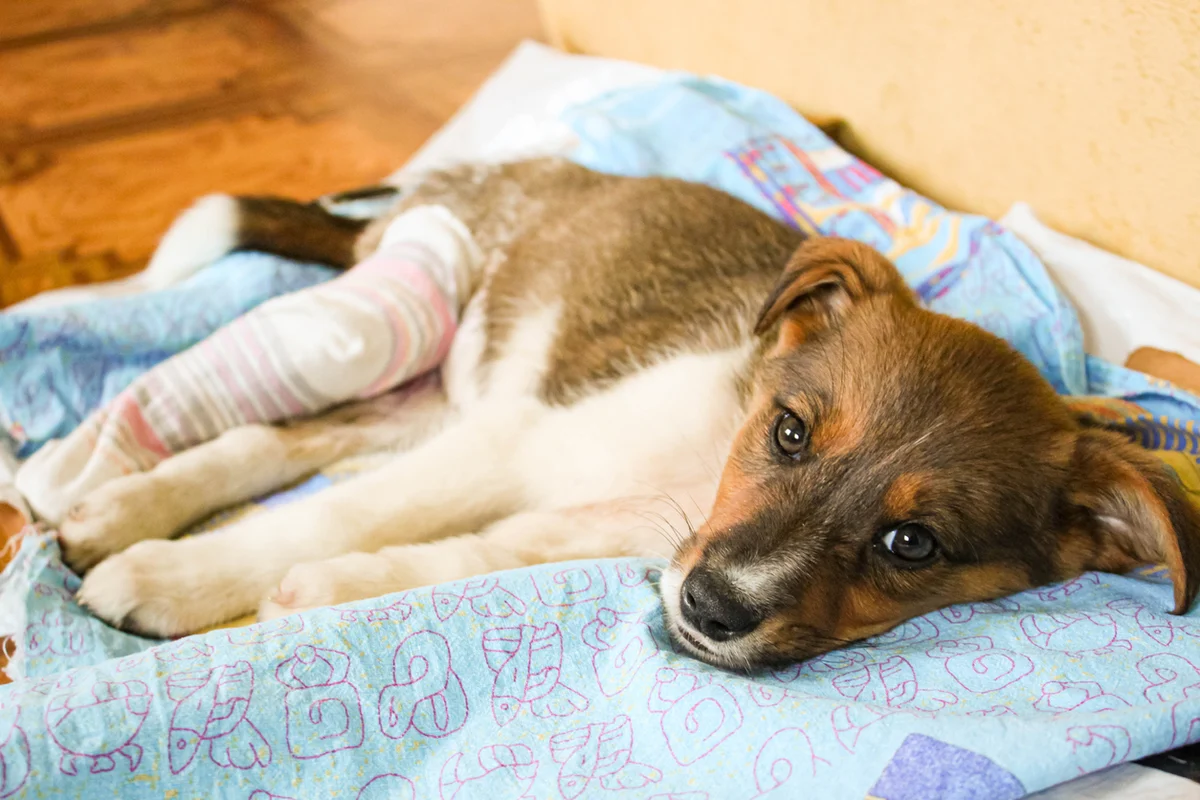
From Surgery to Sprint: TPLO Recovery Timeline – You are likely to be experiencing a combination of emotions, including relief and concern, if your dog has recently undergone TPLO (Tibial Plateau Leveling Osteotomy) surgery. Happiness that the torn cruciate ligament CCL has finally been repaired, and anxiety about what is to come. TPLO recovery should not be rushed; with the necessary care, patience, and knowledge, your pet dog will be able to rest post-surgery and eventually run freely again. To ensure that you are ready to walk your pup safely, we are going to follow the TPLO recovery schedule to make sure that you know what to expect and how to aid the recovery.
What Is TPLO Surgery?
TPLO surgery is an orthopedic surgery that is carried out in dogs to repair a torn cranial cruciate ligament. The surgeon does not substitute the ligament, but alters the position of the tibia (shin bone) to stabilize the knee joint. This ingenious adaptation will enable your dog to move freely without having to rely on the damaged ligament.
TPLO Recovery Timeline
Weeks 0-2: Rest and Healing Begin
Purpose: To maintain the comfort of your dog and protect the incision.
Immediately after the operation, your dog will require a lot of rest and little movement. Some inability or reluctance to use the leg, swelling, and bruising are all perfectly normal.
What to do:
- Keep your dog in a quiet and cozy place.
- Take pain medication and antibiotics as directed by your veterinarian.
- Prevent incision licking or chewing by placing a cone of recovery collar.
- Ice packs should be used where instructions indicate.
At this stage, you have the primary responsibility of ensuring that your dog is calm, comfortable, and free of slips or sudden movements.
Weeks 2-6: Slow but Steady Progression
Purpose: Promote low-intensity exercise and muscle activity.
At approximately 2 weeks, your vet is likely to take out the stitches or staples. You will begin to notice your dog starting to put a small weight onto the leg. This is an excellent sign.
What to do:
- Start with extremely short works, only leash walks, 5-10 minutes, several times daily.
- Do not go up and down or jump or play.
- Perform soft range-of-motion exercises when advised to do so by your vet.
- Ensure that the place where your dog spends time is not slippery.
After the sixth week, it is most likely that you will notice your dog walking more confidently, though they may still limp after exercise.
Weeks 6-12: Rebuilding Strength
Purpose: Muscle strengthening and recovering balance.
The most satisfying part is one you see your dog become strong again. Your vet might recommend physical therapy, such as an underwater treadmill, which is are excellent muscle builder that does not strain the muscles.
What to do:
- Progressively extend the amount and the frequency of walks.
- Add simple exercises, such as standing on three legs and light-weight movement.
- Observe swelling, limping, or fatigue.
Patience is actually rewarded at this point. By week 12, most dogs have already begun to walk almost normally, but the internal healing process continues.
Months 3-6: Recovery to Normalization
Goal: Safely back to regular activity.
At this stage, the bone of your dog must be healed to a large extent. When your vet gives the green light, you may progressively resume the off-leash play and moderate running.
What to do:
- Go on with strengthening exercises and controlled walks.
- Gradually resume more vigorous action – begin on grass or soft soil.
- Schedule a final X-ray to ensure complete healing.
The vast majority of dogs are fully healed (without pain) and have gone back to their usual, joyful, and active lives by the half-year mark; they can even run, chase, and explore.
What Might Influence Recovery Rate?
All dogs heal on their own schedule, although there are a few things that may influence recovery:
Age and size: Younger dogs can recover quickly; more rest may be required in heavier dogs.
Temperament: Calm dogs tend to remain at rest as opposed to the active ones.
Nutrition: A healthy diet helps in repairing bones and tissues.
Physical therapy: Rehabilitation activities can reduce the time to heal and enhance mobility.
Consistency is the key; a little bit of progress each day will lead to a big impact.
Tips to Achieve a Smooth TPLO Recovery
Stick to your vet’s plan. Rushing ahead can hinder the recovery process.
Use a crate or pen. It prevents overindulgence of your dog.
Keep their mind busy. It can be used with puzzle toys or frozen treats to avoid boredom.
Maintain a healthy weight. The lighter the weight, the less strain on the leg in the process of healing.
Celebrate small wins. Every tail wags and confident steps are forward.
Conclusion
TPLO recovery is a marathon, not a sprint, but the goal is worth it. Through your love, commitment, and proper treatment, you can restore your dog to full vigor and power. Soon, the same dog that had been limping will be racing along the park with a wagging tail, happy and painless. At Pet Care Partners, we support you and your dog throughout the entire TPLO recovery journey to ensure steady progress and long-term healing
FAQs
When will my dog walk normally after TPLO surgery?
The dog begins to use the leg lightly after 1-2 weeks, although a normal walking pattern is usually restored after surgery, which takes around 10-12 weeks.
Will my dog hurt its leg after TPLO surgery?
It does not happen much, but it may happen in case your dog runs or jumps prematurely. The best way to avoid setbacks is to follow the recovery plan of your vet.
Is physical therapy really necessary for my dog?
Yes. Physical therapy is useful in restoring strength, balance, and flexibility. Simple exercises at home could significantly change a lot.
When will my dog be able to run again or play fetch?
The majority of vets suggest a waiting period of 4-6 months to complete. When your veterinarian is sure of full recovery, you can get back to vigorous play gradually with your dog.