
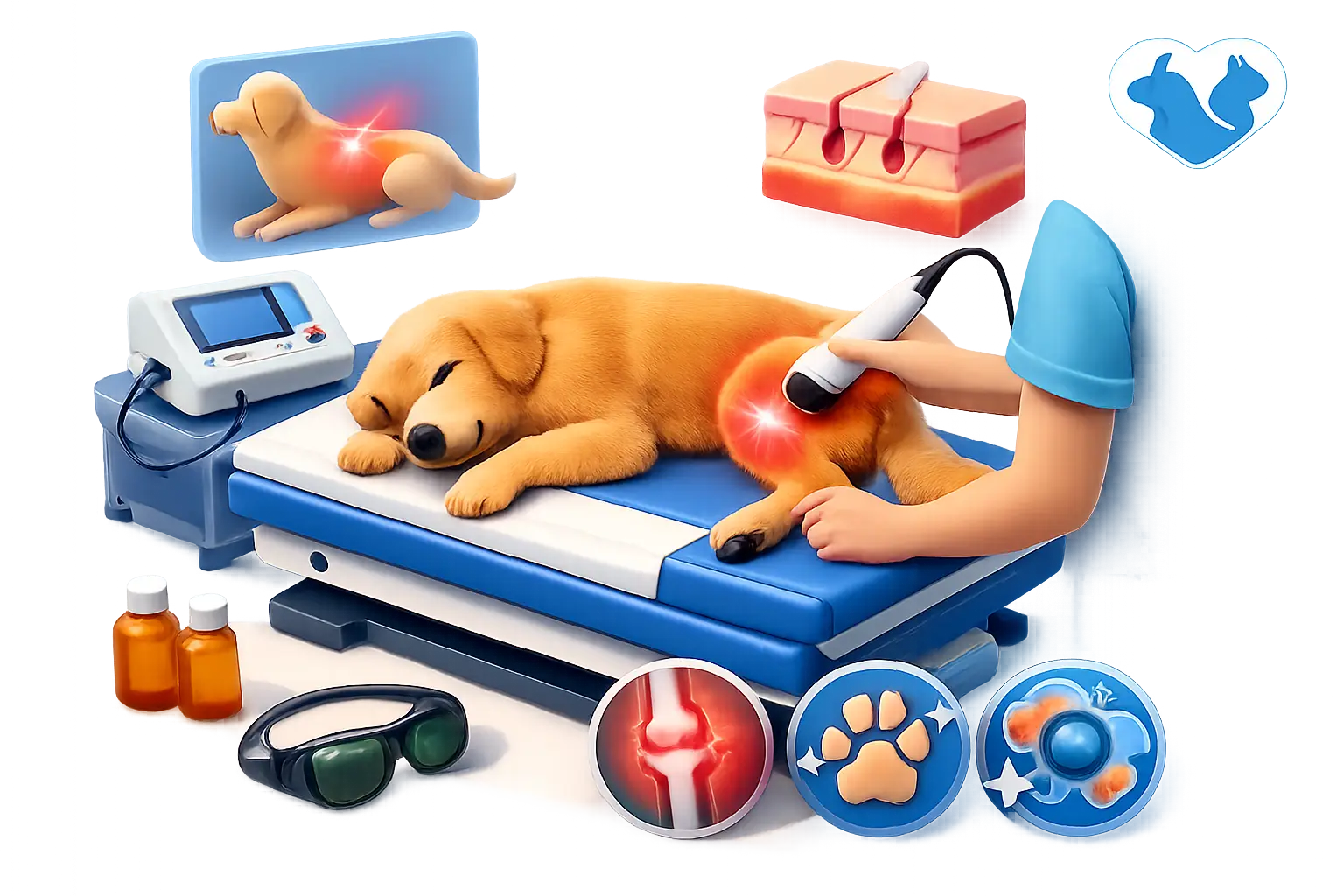
When a dog is limping, slowing down on walks, or struggling to get comfortable after surgery, most pet owners want the same thing – safe relief that helps their dog feel better without adding more stress. That is why laser therapy for dogs benefits get so much attention in veterinary rehabilitation. This treatment is noninvasive, fast, and often well tolerated, especially for dogs dealing with pain, inflammation, stiffness, or slow healing.
For many families, the biggest question is simple: does it actually help? In the right patient, it can. Laser therapy is not a cure-all, and it is not the best answer for every condition, but it can be a valuable part of a dog’s treatment plan when comfort, mobility, and healing matter.
What laser therapy does
Veterinary laser therapy uses specific wavelengths of light to reach tissues below the skin. The goal is to stimulate cellular activity, improve circulation, and reduce inflammation in targeted areas. You may also hear it called cold laser therapy or low-level laser therapy, although some veterinary systems use higher-powered therapeutic lasers designed for deeper treatment.
Dogs do not feel the light the way we think of a hot laser beam. Properly administered therapy is generally painless. Many dogs relax during treatment, and some even seem to enjoy the warmth and gentle handling that come with the session.
Laser therapy for dogs benefits in everyday cases
The most meaningful laser therapy for dogs benefits usually show up in day-to-day life. A dog that was hesitant to stand may rise more easily. A senior dog may seem less stiff after resting. A pet recovering from surgery may show less tenderness around the treatment area.
Pain relief is one of the biggest reasons veterinarians recommend laser therapy. By reducing inflammation and encouraging tissue repair, treatment can decrease discomfort from orthopedic injuries, arthritis, back pain, and soft tissue strain. That relief may allow a dog to move more normally, which matters because better movement often supports better recovery.
Another major benefit is improved healing. Laser therapy is commonly used to support recovery after surgery or injury because it can increase local blood flow and cellular energy production. In practical terms, that may help tissues repair more efficiently.
Swelling control is also important. Inflammation is part of healing, but too much of it can increase pain and delay progress. Laser therapy can help calm that response in some patients, which is one reason it is often included in rehabilitation plans.
Conditions that may respond well
Laser therapy is used for a fairly wide range of canine conditions. Arthritis is one of the most common. Older dogs with chronic joint pain often benefit from regular sessions, especially when laser therapy is paired with weight management, appropriate exercise, joint support, or medication.
It can also help dogs recovering from cruciate ligament surgery, fracture repair, wound care, or muscle and tendon injuries. Some veterinarians use it for intervertebral disc disease support, hip dysplasia discomfort, lick granulomas, or post-operative incision healing.
That said, response varies. Two dogs with the same diagnosis may not improve at the same speed or to the same degree. Age, overall health, severity of the condition, and how early treatment begins can all make a difference.
What a session is like
Most laser therapy appointments are short. The veterinary team places the handheld device over the affected area and moves it in a controlled pattern based on the treatment plan. Protective eyewear is typically used for safety.
Many dogs tolerate sessions very well because nothing is cutting, poking, or forcing the body into a stressful position. A nervous dog may still need reassurance, especially during a first visit, but this is one reason laser therapy appeals to pet owners looking for a gentler option.
The number of sessions depends on the problem being treated. Acute issues, such as a recent soft tissue injury, may need a short series over days or weeks. Chronic issues like arthritis often benefit from maintenance visits spaced farther apart once the dog is stable.
When it works best as part of a larger plan
Laser therapy tends to be most effective when it is not expected to do everything on its own. A dog with arthritis may still need weight control, joint-friendly exercise, and medication during painful flare-ups. A dog recovering from surgery may also need restricted activity, physical rehabilitation, and follow-up exams.
This is where a coordinated care approach matters. If a veterinary team can evaluate pain, monitor healing, adjust medications, and add rehabilitation support as needed, laser therapy becomes one useful tool within a broader strategy rather than a stand-alone promise.
For cost-conscious households, this is worth discussing early. Sometimes laser therapy can help reduce reliance on certain medications or improve comfort enough to support better recovery, but the value depends on the dog’s diagnosis and treatment goals. A good veterinary team should be honest about whether it is likely to help in your pet’s specific case.
Benefits for senior dogs
Senior dogs often show some of the clearest quality-of-life improvements. Stiffness after naps, slower movement on stairs, reluctance to jump into the car, and decreased interest in walks are common signs of discomfort that pet owners sometimes mistake for normal aging.
Aging does bring change, but pain should still be addressed. Laser therapy may help older dogs stay more comfortable and active by reducing inflammation in arthritic joints and sore muscles. For dogs that cannot tolerate certain medications well, or for families trying to keep medication doses as low as safely possible, that can be especially valuable.
Still, older dogs usually need a full medical assessment before treatment begins. Limping, weakness, and behavior changes can have many causes, including neurologic disease, injury, or systemic illness. The right diagnosis comes first.
Are there limitations or risks?
There are a few. Laser therapy is generally considered safe when performed by trained veterinary professionals, but it is not appropriate for every situation. It should not be used casually over certain types of tumors, over the eyes, or in ways that ignore the underlying diagnosis.
It is also important to keep expectations realistic. Laser therapy can reduce pain and support healing, but it usually does not reverse advanced orthopedic disease or replace surgery when surgery is clearly needed. If a dog has a torn ligament, a severe fracture, or a condition that requires urgent intervention, delaying definitive care in favor of repeated supportive therapy can make things worse.
Some dogs respond quickly. Others show only mild improvement. A veterinarian should reassess if there is little to no benefit after a reasonable trial.
How pet owners can tell it may be helping
Improvement is not always dramatic at first. Sometimes the best clues are small changes: your dog gets up faster, seems less guarded when touched, finishes walks more comfortably, or settles down more easily at night.
For chronic pain cases, keeping a simple journal can help. Note your dog’s energy, mobility, appetite, sleep, and willingness to climb stairs or play. That gives your veterinary team a clearer picture of whether treatment is creating real benefit or just hopeful impressions in the moment.
Questions worth asking before starting
Before your dog begins treatment, ask what condition is being targeted, how many sessions are recommended, what results are realistic, and how progress will be measured. It is also fair to ask about total cost, whether other therapies should be combined with it, and what signs would mean the plan needs to change.
These conversations matter because good medicine is individualized. The best plan for a young athletic dog recovering from injury is not the same as the best plan for a senior dog with chronic arthritis and other health concerns.
At Pet Care Partners, that kind of guidance can make a real difference for families trying to balance affordability, access, and effective care. When treatment recommendations are clear and tailored to the dog in front of you, it is easier to make confident decisions.
Is laser therapy right for your dog?
If your dog is dealing with pain, inflammation, reduced mobility, or a recovery period that seems harder than expected, laser therapy may be worth discussing with your veterinarian. It is especially appealing for pet owners who want a noninvasive option that can support healing and comfort without adding significant stress to their dog.
The right next step is not guessing based on symptoms alone. It is getting a proper exam, understanding the diagnosis, and building a plan that fits your dog’s age, condition, and daily life. Sometimes laser therapy plays a central role. Sometimes it is one supportive piece among several. Either way, the goal stays the same – helping your dog feel more comfortable, move more freely, and enjoy more good days.