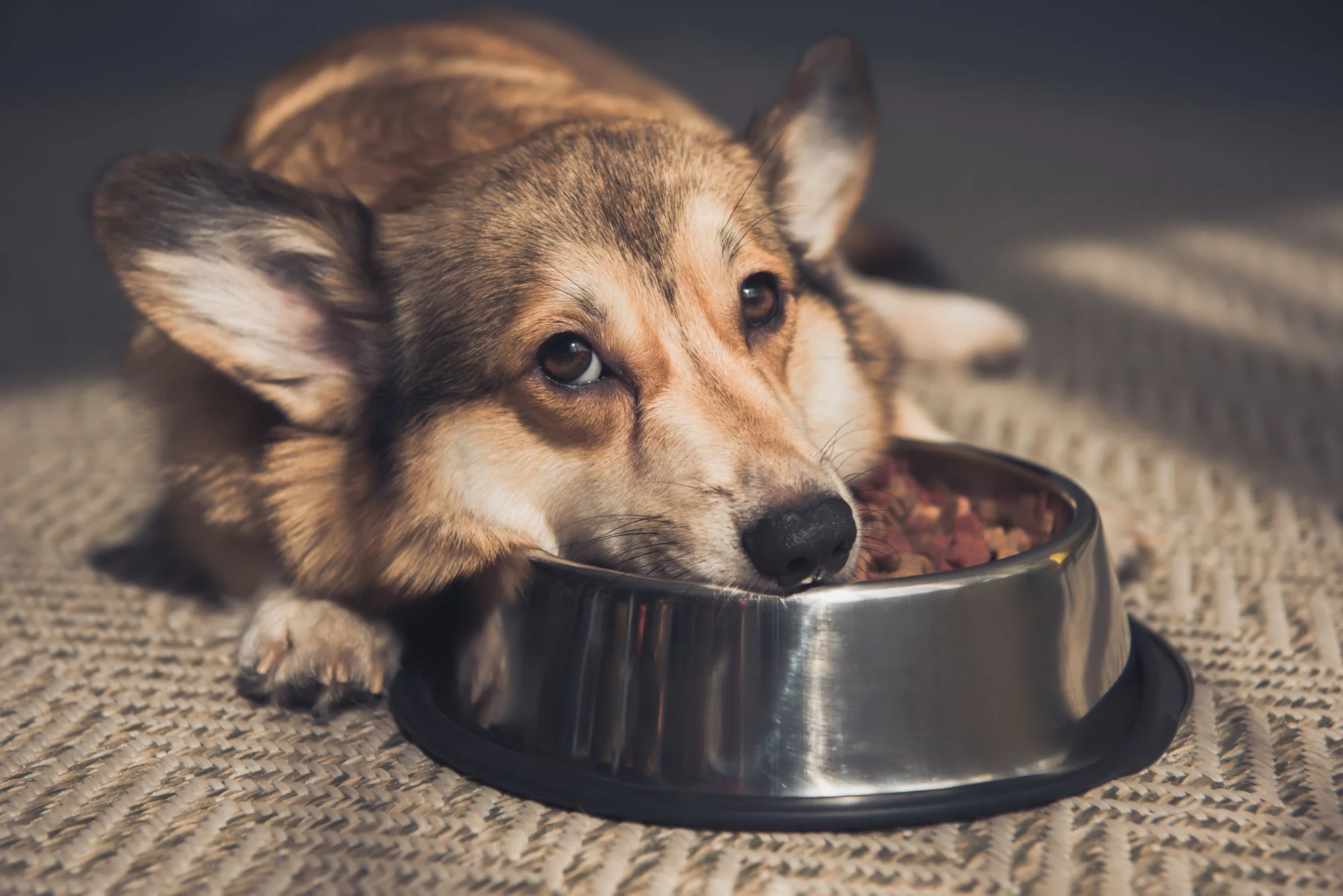
When you see your dog won’t eat, it becomes a very large issue and can be worrying. As a pet owner, you worry when your dog has a serious problem or disease, especially when it comes to not eating. Dogs can stop eating for a variety of reasons, and it is very important to understand the reasons to take the appropriate actions to assist your dog with the issue. In this blog, we will explore the common causes why your dog won’t eat and what you can do to help.
Why Is Your Dog Not Eating? Common Causes
Health Issues
One of the most significant problems is a dog not eating due to health problems. Dogs can have many health issues, all of which can affect what they want to eat. Here are some common health issues that might cause your dog not to eat:
- Infections: Infection is also a big concern because, in that case, they will lose their appetite. And with infections, you will notice other symptoms like fever, lethargy, or vomiting.
- Dental Problems: If your dog has dental issues like dental pain, gum disease, or a sore mouth, it could be very difficult to get your dog to chew and eat. Dogs with oral pain may avoid eating altogether because it hurts too much to chew.
- Gastrointestinal Issues: Gastrointestinal problems in dogs can also change their appetite to eat. Sometimes, if a dog is having gastrointestinal problems, their stomach is upset, and they will not want to eat what you offer.
Stress and Anxiety
Yes, you read the heading right, dogs can get stress and anxiety issues, and these can affect their eating habits too. Dogs can experience stress from an address change, having different people or animals in the house, or even travelling, and this can affect their appetite.
Common signs of anxiety in dogs include:
- Hiding or isolating themselves
- Whining or barking excessively
- Pacing or drooling
Aging
When your dog starts to get older then they can sometimes have a reduced appetite. Older dogs will also have a reduced sense of taste and smell, which can make food seem less appealing. They also have other age issues, such as arthritis or cognitive dysfunction syndrome, that may make eating difficult.
Environmental Changes
Environmental changes can also distress some dogs and reduce their appetites, causing them to go off their food for a short time.
What to Do When Your Dog Won’t Eat?
If your dog is not eating, the first thing you should do is observe the dog is there any other signs of illness or discomfort. If your dog is facing lethargy, vomiting, diarrhea, or pain, it is important to consult a vet as soon as possible. Vet clinics like Pet Care Partners help with the dog’s health problems and recommend a treatment plan.
- If your dog refuses to eat the food, relax, it is not a serious health issue. Here are some things you can try:
- Check the food and make sure that the food is fresh. Try providing a lot of food, including wet food or treats, to check which one is the first preference of your dog.
- If your dog has stress or anxiety, then create a calm environment, give them a comfortable space to eat properly. You can also try to maintain a routine, so they feel secure.
- You can also provide them with a small treat, like mixing their food with a little bit of boiled chicken or fish, to lure them into eating.
- If you see that the issue persists or you see other signs of illness, visit your nearest vet because they can find out the health problems and cure them.
Conclusion
There are many things that can cause loss of appetite in dogs, and some of those can be completely normal and innocent (i.e. health issues, stress, being selective eaters, etc). Although it’s not something that we would immediately panic about, you’ll want to keep an eye on the behaviour and get help if their appetite doesn’t improve or if they appear to be ill. Always remember that your dog’s health and well-being should be your number one priority, and if you don’t know what the problem is, don’t be hesitant about contacting a veterinarian for further diagnosis and next steps.
We at Pet Care Partners pride ourselves on being a trusted source for expertise and providing you with all of the necessary support for your pet care needs. If you find yourself in a situation where you are concerned for your pet’s health, don’t hesitate to reach out. Our job is to help you keep your furry loved ones happy and healthy!
By understanding all of the possible reasons for loss of appetite, and sorting through the situation, you can help your dog get back to living its happy and healthy life soon.
FAQs
Why isn’t my dog eating?
There are many reasons that your dog isn’t eating. Maybe it is a stomach upset or stress, or it could be a sign of something more serious, like health problems. If it does not cure more than a couple of days, it is best to visit a vet clinic (Pet Care Partners) to figure out what is happening to your dog.
Could the food be the problem?
Yes, of course, sometimes food can be the problem because dogs don’t like the food or the taste. If you recently changed their food, they might not like the new brand or flavour. Try switching the old food or consult with your vet to find a better option for them.
Can stress cause my dog to stop eating?
Yes, stress can make your dog lose their appetite. Dogs can experience stress from an address change, having different people or animals in the house, or even travelling, and this can affect their appetite. To relax your dog, keep their environment calm and let them feel safe.